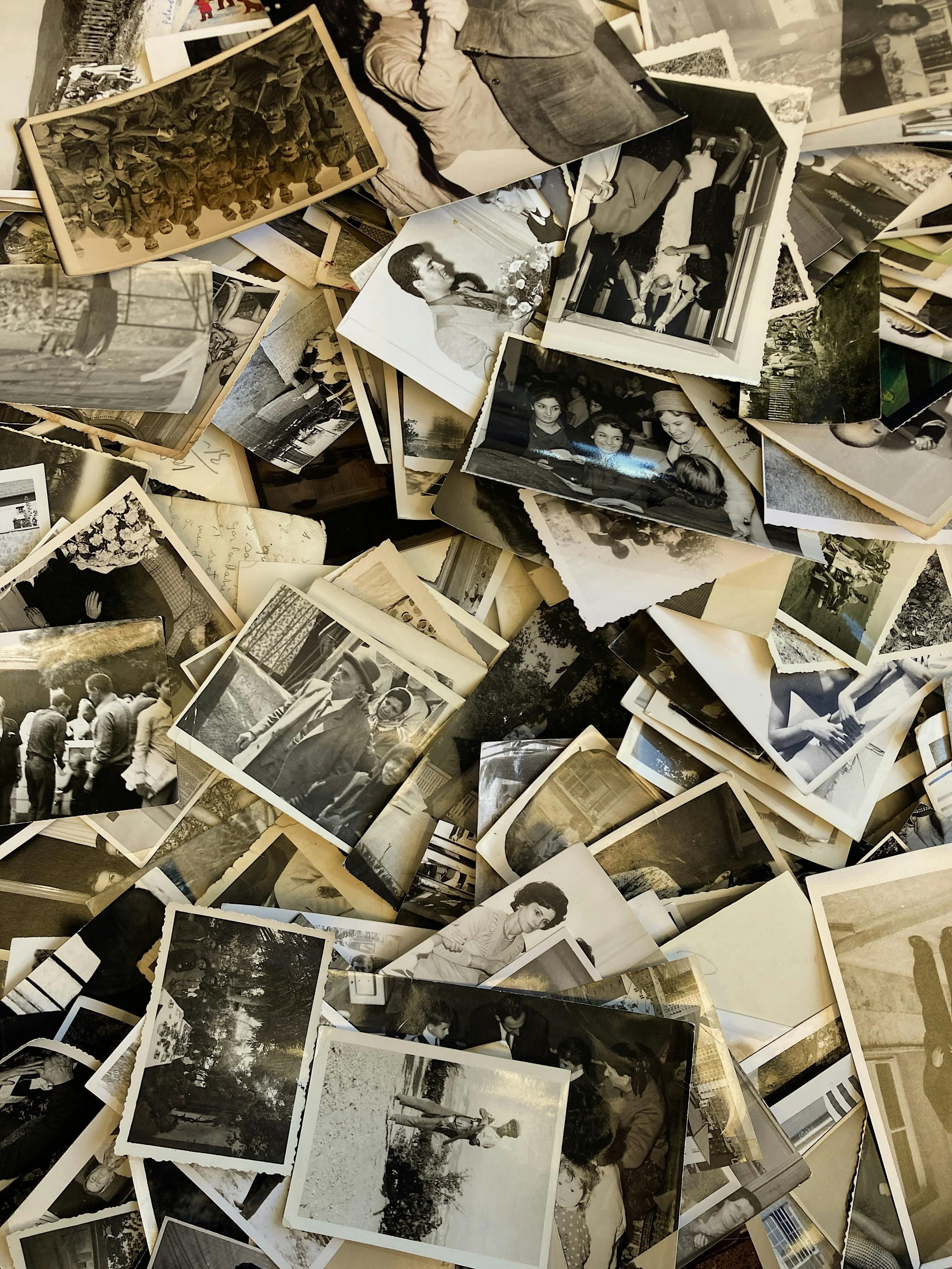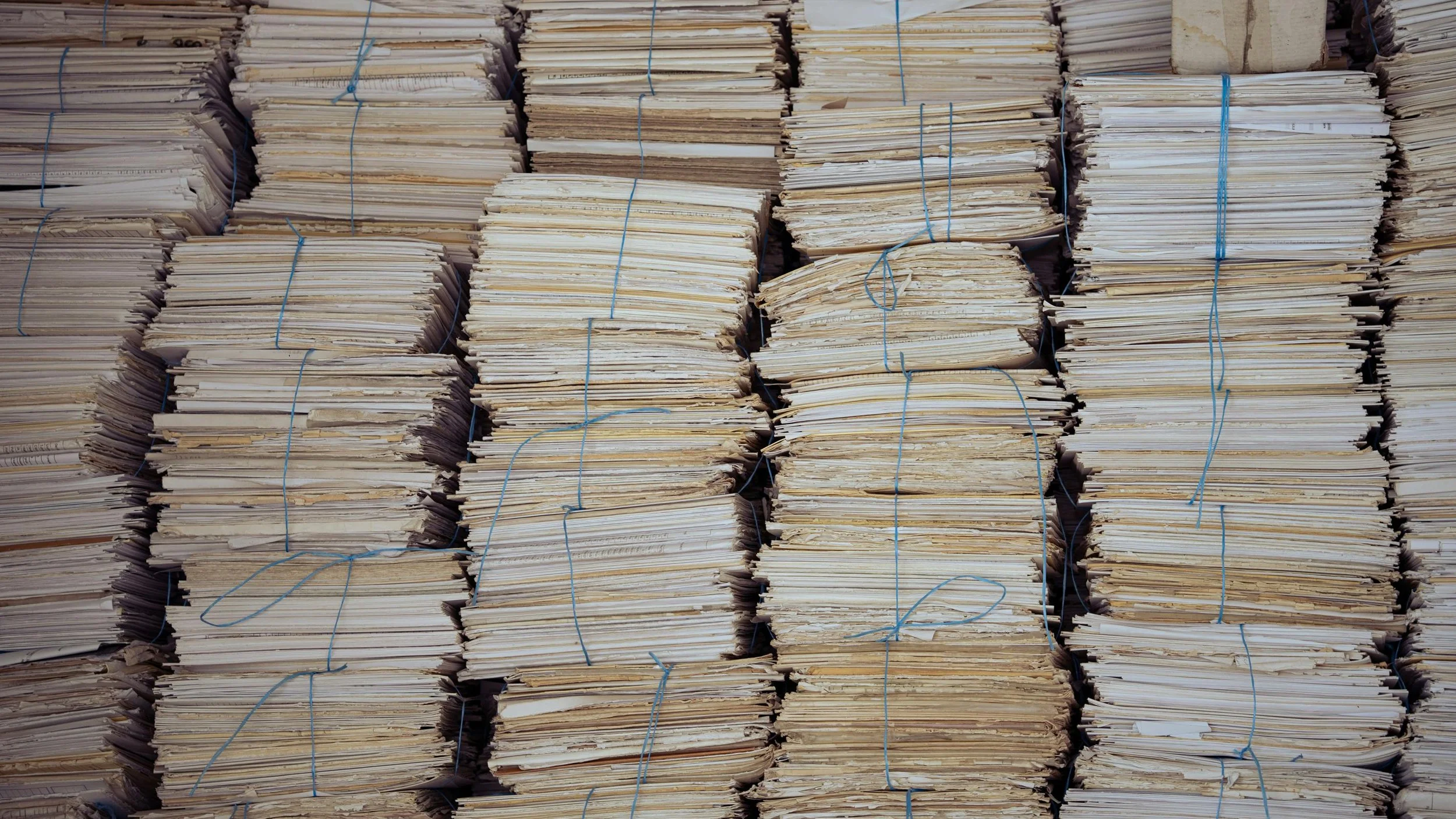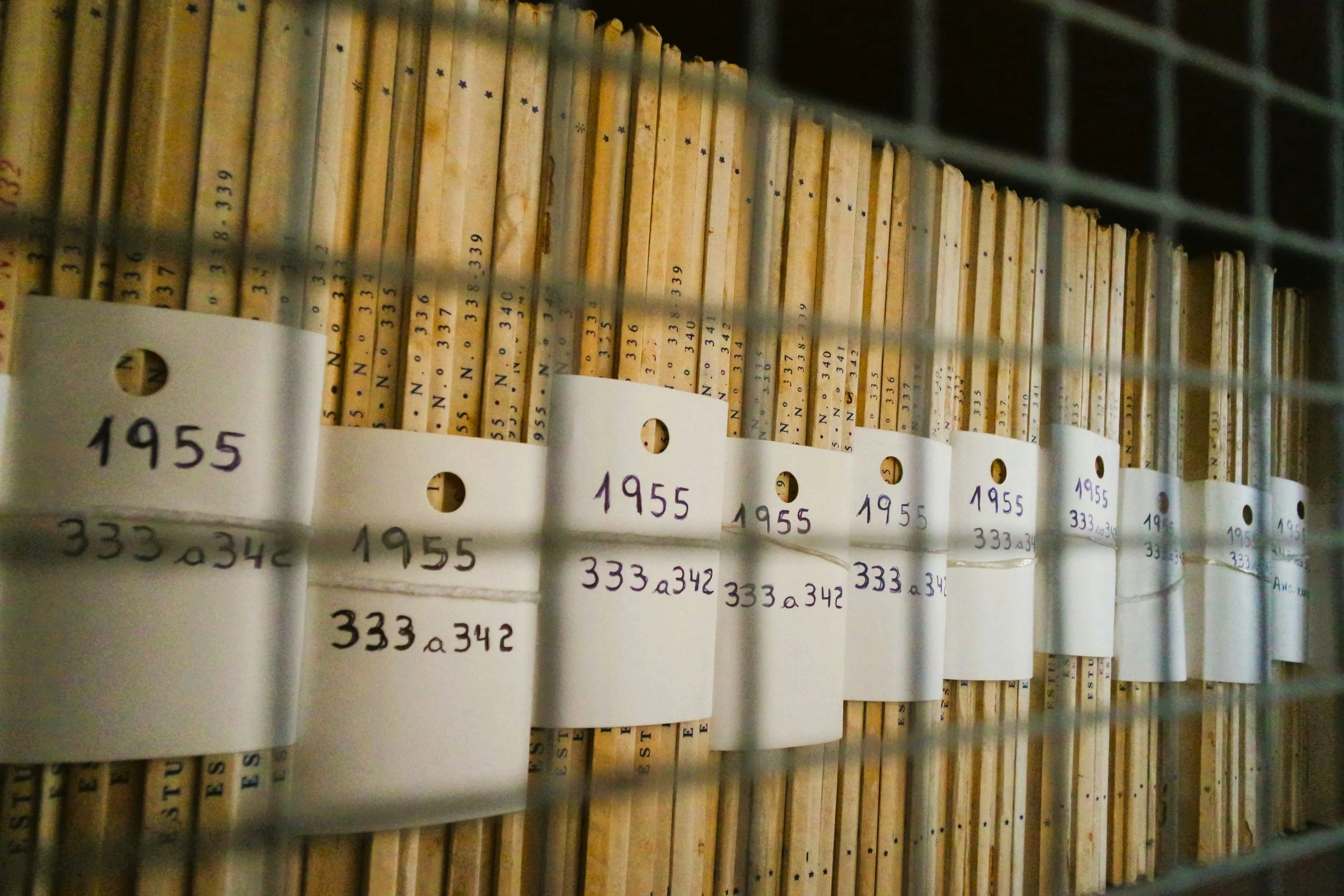
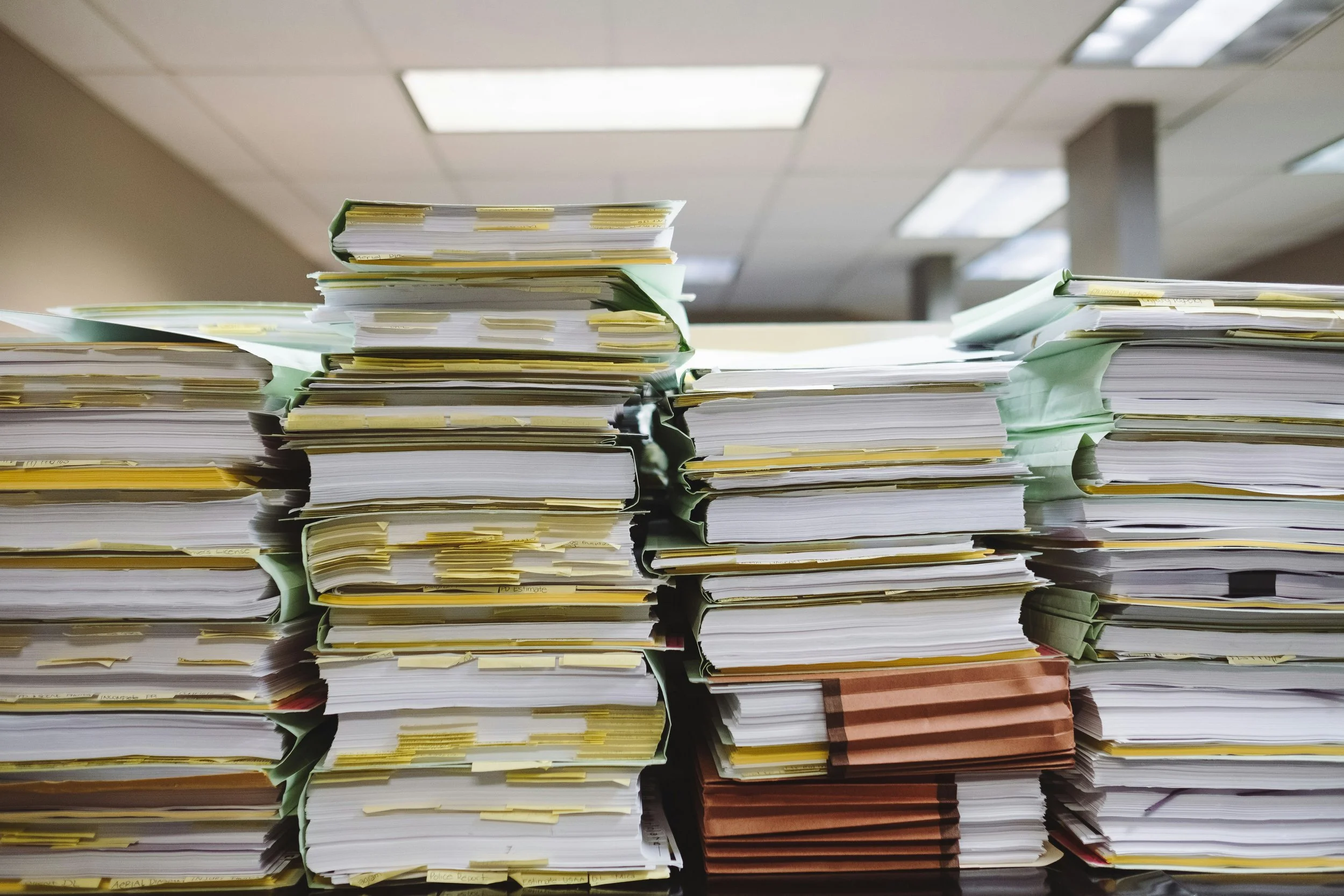
One of the core challenges archivists face is determining the appropriate description level for materials in their collections. From broad collection-level overviews to granular item-level details, descriptive hierarchies play a crucial role in conveying the context and structure of archival materials.
Best Practices in Archival Description
Practical Strategies for Arranging Mixed-Media Archives
Mixed-media archives, which contain physical and digital records, present unique challenges for archival arrangement. These collections require archivists to develop strategies that address the different needs of physical and digital materials while maintaining the collection’s coherence and accessibility.
Arranging Digital Archives: 4 Unique Challenges for Modern Archivists
Original Order and Provenance in Archival Arrangement
Redaction in Archives
Redaction in archival work—obscuring or removing sensitive information from records—has become a central concern in contemporary archival ethics. As archives increasingly acquire born-digital records and digitize historical collections for online access, archivists must grapple with data privacy, access, transparency, and potential harm.
Data Privacy in Archives
Ethical Approaches to Surveillance in Archives
Designing for Emotional Engagement in Archives
Designing Accessible Archives: Rethinking the Reading Room Experience
Archival reading rooms have long been the centerpiece of public access to collections. They are where researchers engage with historical documents, where discovery becomes tangible, and where the institutional identity of an archives is most visibly embodied.