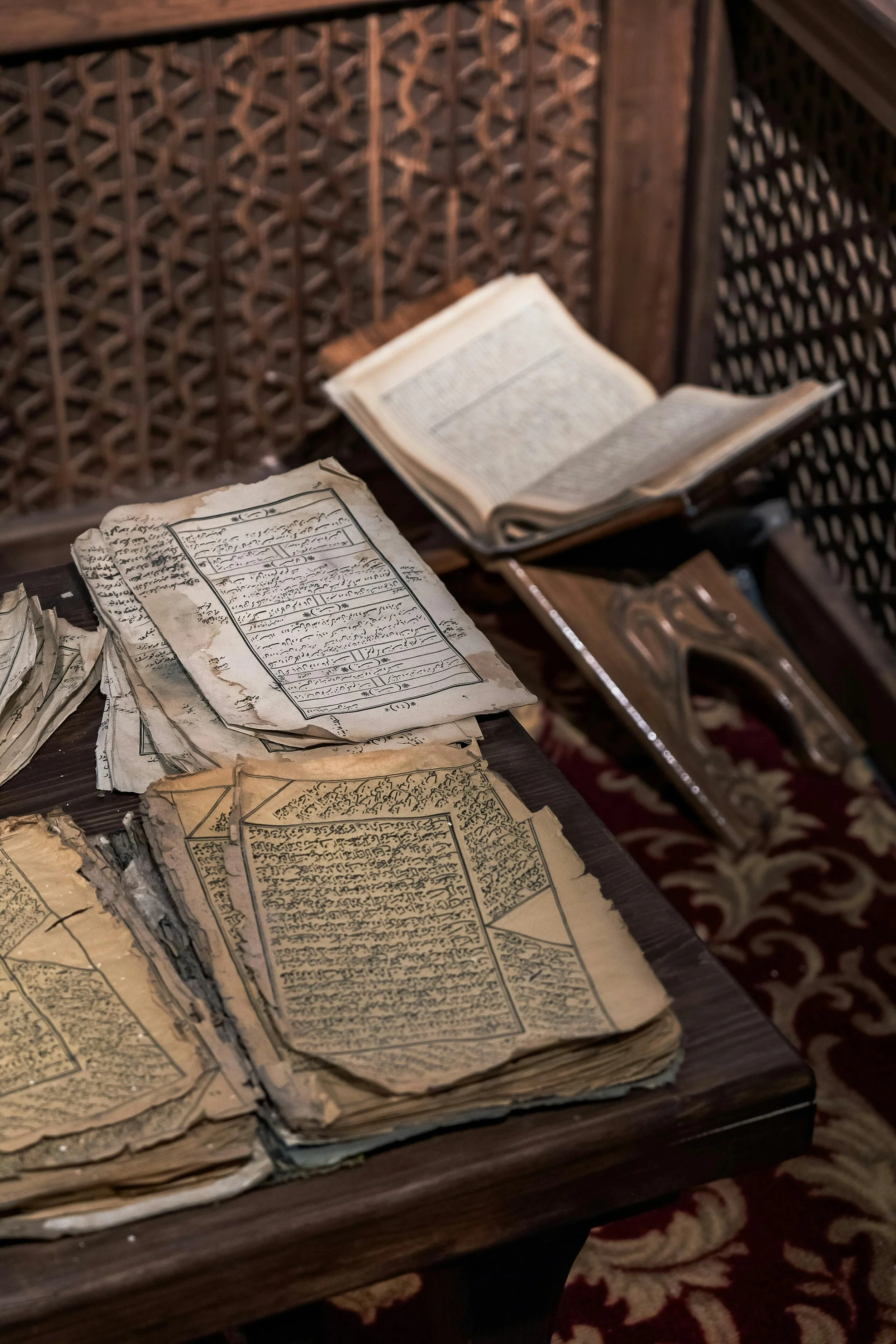
Photographs are a wonderful asset for archival repositories because of their broad appeal. The range of users for visual materials—including artists, designers, publishers, and producers—is wider than for textual records. Accommodating all these users can be a challenge, especially if they have unreasonable deadlines and expectations.
A Primer on Archival Appraisal Values
Archival appraisal determines whether materials have permanent, research value within the context of the institution’s collecting policy and mission. Appraisal activities include examining records to discover their contents, provenance, order and completeness, authenticity and reliability, condition, related preservation costs, and intrinsic value.
Maintaining Sustainable Archival Collections
The role of archivists has significantly changed with the rise of digitized and born-digital collections.
In the past, we waited at the end of the records lifecycle, acquiring physical records that had reached the end of their everyday use and had transitioned into having enduring historical value. With the advent of digital files, archivists have had to meet the creators of records much sooner in the lifecycle, offering advice on how to maintain digital records that will be sustainable over time.
Digital Preservation: A Community Effort
Archivists have traditionally played a crucial custodial role in protecting and providing access to long-term, historical collections on paper and film, but as the volume and diversity of digital content increases exponentially over the coming decades, digital preservation has become a community effort.
It’s worth exploring the potential benefits that partnerships can bring to archival institutions, especially in terms of digital archives.
The Pros and Cons of Digital Archives Project Partnerships
For many archival organizations, pursuing partnerships outside their institutions is a practical way to make collections accessible through digitization and digital preservation initiatives. Traversing institutional walls can be an excellent way to learn from the successes and failures of others who have more experience with digital projects, especially if your organization is just getting started with these activities.
It’s worth exploring the potential benefits that partnerships can bring to archival institutions, especially in terms of digital archives.
Evaluating Archival Workflows and Programs
Controlling Archival Projects to Keep Them on Course
Monitoring Archival Project Progress
Managing Changes Throughout an Archival Project
Changes in an archival project occur frequently and can affect its objectives. For some archival projects, changes are predictable—which allows you to formulate the next actions. If an unanticipated change is significant, seek the advice of the sponsor before taking any action that might alter the project’s direction.
A Primer on Archival Project Contracts
Archival project managers may need to sign contracts with vendors for some project phases or tasks. Reviewing and negotiating contracts is often new territory for archivists, especially for projects which require undertaking new endeavors, developing new skills, and creating unique deliverables.
The type of contract you’re working with will define your budget management behavior. Contracts comprise a statement of work, terms and conditions, deliverables, deadlines, and costs. The three main contract types are: time and materials contracts, cost plus contracts, and fixed price contracts.