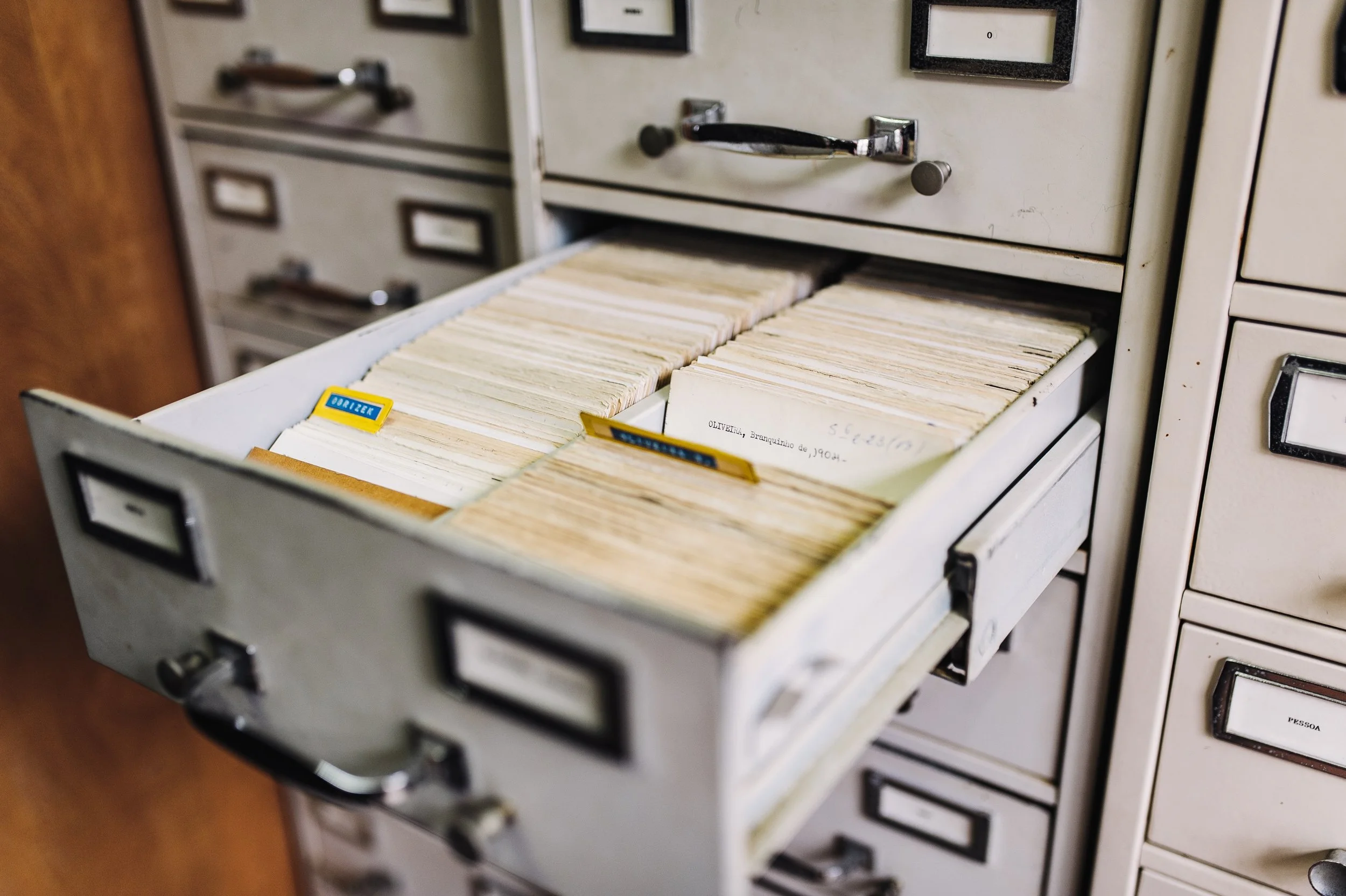




Deaccessioning of archival holdings, the process in which an archives removes accessioned materials from its holdings, is one potential result of reappraisal. Ideally, deaccessioning would occur regularly in the course of archival collections management practices. As a routine procedure, it would allow archival institutions to remove materials determined to be unworthy of retention.
Archival Program Management
The management of the archival program connects to the hosting institution’s mission; it cannot be an afterthought. Unfortunately, management is an area where archivists traditionally lack experience, but, recently, most LIS programs require students to take at least one management course.
Archivists usually reside in organizations whose primary mission is something else, which can isolate them. Archivists often lack control over matters related to budgets or facilities; they need to be able to find and explain costs so resource allocators can understand them.
The Problem with Digital Image Banks
Historical photographic collections in archives, libraries, and museums have been influenced by the two billion dollar a year global stock photography industry. The images, used in marketing, advertising, editorials, multimedia products, and websites, are filed at an agency that negotiates licensing fees on the photographer’s behalf in exchange for a percentage, or in some cases, owns the images outright.
There are numerous articles, case studies, policies, and conference sessions on reappraisal and deaccessioning, yet despite the increasing amount of information, these practices remain controversial.
Investing in Institutional Archives
When we think of archival repositories, we frequently think of academic archives or large historical societies. We often forget about business or institutional archives, because they are usually closed to the public.
Institutional archives fall into many categories: government at all levels, corporations, not-for-profit organizations, colleges and universities, and religious institutions. These organizations establish archives for several reasons and develop archival collection policies.
Conducting Reappraisal on Your Archival Collections
The Society of American Archives defines reappraisal as “the process of identifying materials that no longer merit preservation and that are candidates for deaccessioning”. Archivists continue to seek ways to accomplish responsible reappraisal and deaccessioning.
There are numerous articles, case studies, policies, and conference sessions on reappraisal and deaccessioning, yet despite the increasing amount of information, these practices remain controversial.
Public Service Fundamentals for Archivists
Along with reference and access, archivists perform several public service activities to bring collections to interested researchers. For novice users, archival repositories can be intimidating, with rules and policies which may not at first make sense. Helping patrons find archival holdings relevant to their search includes a review of a number of service responsibilities.
Archival Security Basics
Disaster and Preservation Planning for Archives
Reference for Archives
Reference and access, two important areas of public services, are tied to all the activities that archivists perform.
Archivists prepare materials for use according to archival theory and practice; they treat materials like aggregates, arrange and describe them, and make finding aids. Archivists provide initial access through these surrogates, rather than sending researchers to the stacks to browse through the collections. Instead, archivists search within the descriptive tools themselves.
Access in Archives: the Fundamentals
Archives exist to be used by researchers. Access is a set of activities that links primary source materials to the public. Archivists should be able to answer questions about specific collections, such as their sizes, date ranges, the existence of correspondence by individuals, research restrictions, and copyright status, among other issues.