
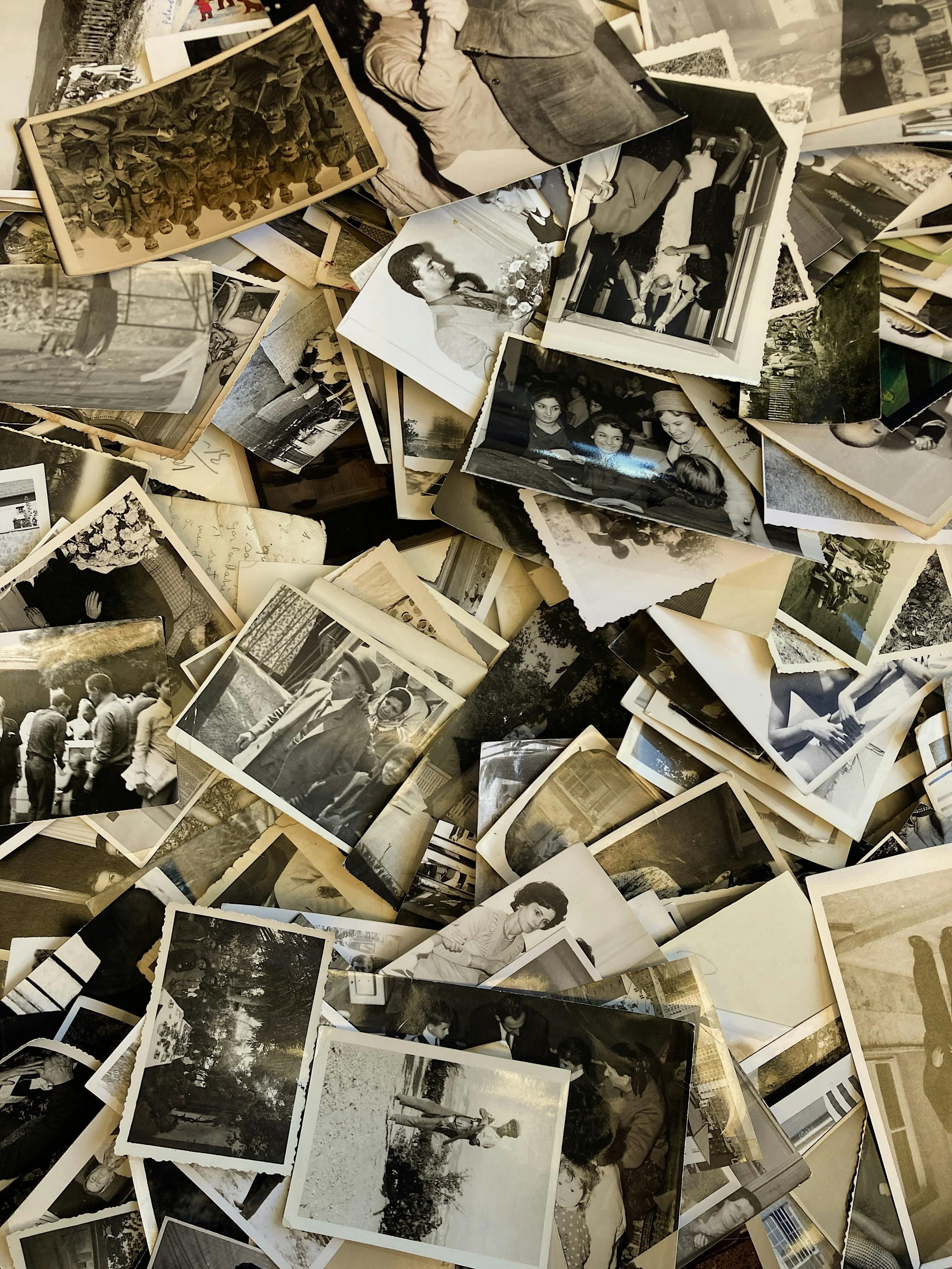

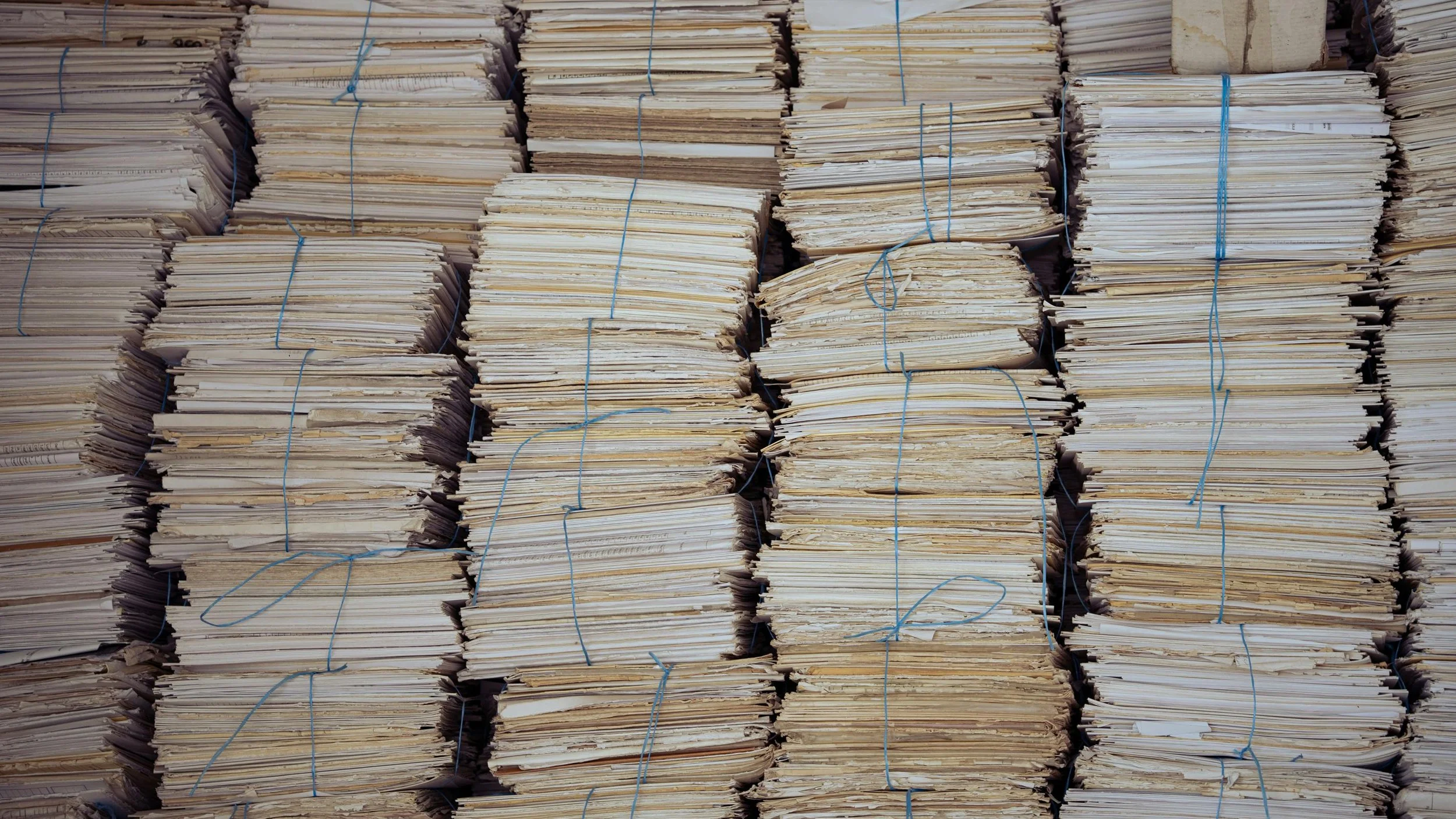


In today's digital age, where information is abundant and constantly evolving, the importance of preserving digital heritage cannot be overstated
Well-resourced institutions have developed archival best practices, including comprehensive finding aids, climate-controlled storage, and digital preservation systems. For small or resource-constrained archives, these standards can feel out of reach. The danger is that the profession’s ideals may discourage institutions from taking action, leaving records vulnerable. The solution lies in paring down practices and procedures without abandoning principles.
Many archives exist within environments of chronic underfunding. Community archives, small historical societies, or lone arrangers may work with little more than donated materials, a handful of volunteers, and minimal budgets.
However, these institutions remain vital, safeguarding the histories of communities often absent from mainstream narratives. Scarcity shapes their reality, yet it can still allow meaningful work.
Humanity produces more digital content than at any other point in history. Every click, message, and post contributes to an expanding universe of data that represents the cultural memory of our time. At the center of this transformation stand archivists, the professionals uniquely trained to ensure that memories survive in the future. However, even as the scale of the challenge grows, their voices risk being sidelined in public conversations about digital preservation.
In recent years, the concept of “slow librarianship” has emerged as a thoughtful response to the accelerating pace and pressures placed upon library professionals. Drawing inspiration from the broader slow movement, it emphasizes care, reflection, ethics, and people-centered work over speed and efficiency.


