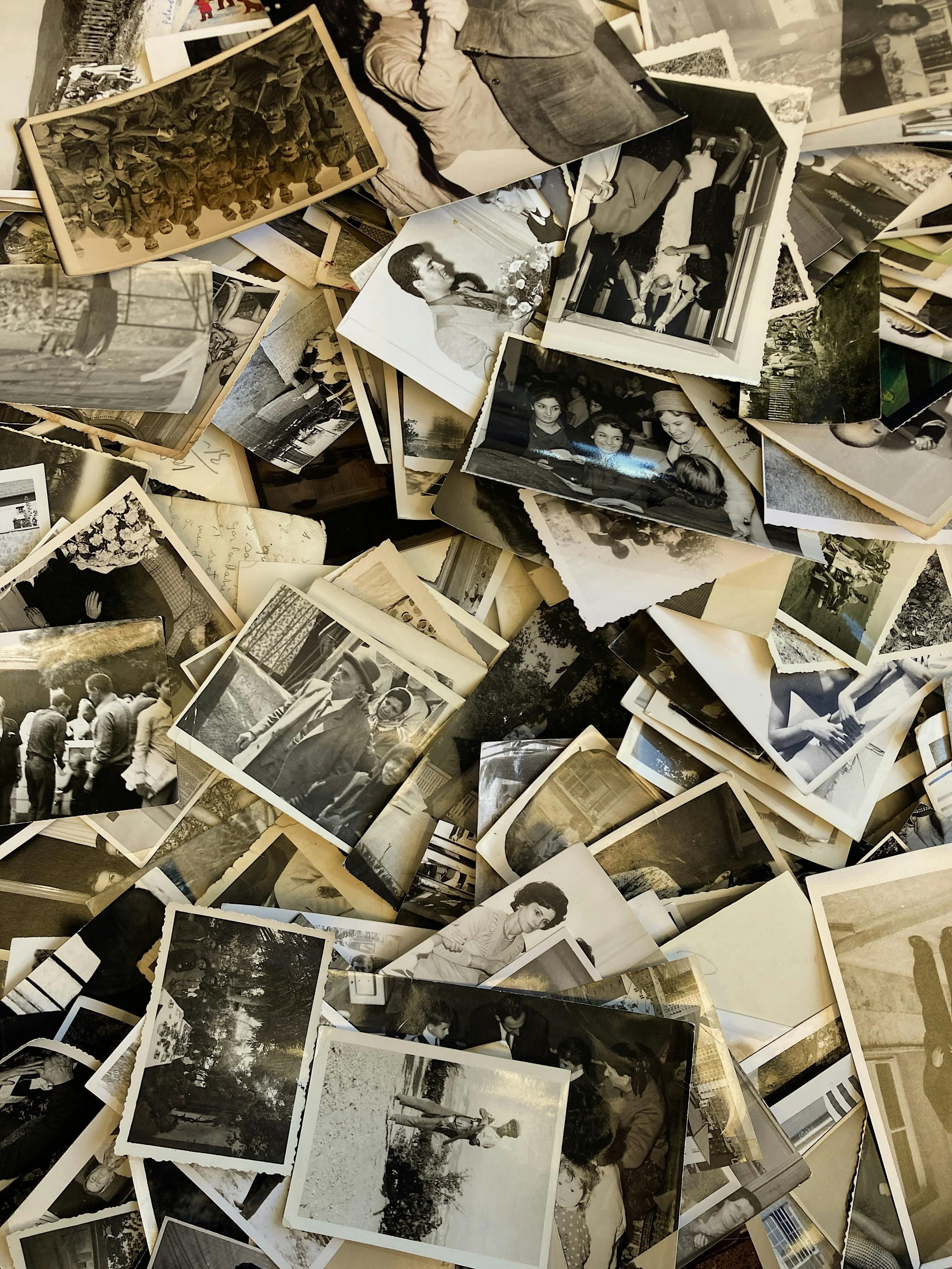





Archivists bear a profound responsibility when selecting materials for preservation. Their choices are influenced by a wide range of criteria.
These reflect their role as proactive participants in shaping and deciphering historical documentation.
Many archives exist within environments of chronic underfunding. Community archives, small historical societies, or lone arrangers may work with little more than donated materials, a handful of volunteers, and minimal budgets.
However, these institutions remain vital, safeguarding the histories of communities often absent from mainstream narratives. Scarcity shapes their reality, yet it can still allow meaningful work.
Humanity produces more digital content than at any other point in history. Every click, message, and post contributes to an expanding universe of data that represents the cultural memory of our time. At the center of this transformation stand archivists, the professionals uniquely trained to ensure that memories survive in the future. However, even as the scale of the challenge grows, their voices risk being sidelined in public conversations about digital preservation.
In recent years, the concept of “slow librarianship” has emerged as a thoughtful response to the accelerating pace and pressures placed upon library professionals. Drawing inspiration from the broader slow movement, it emphasizes care, reflection, ethics, and people-centered work over speed and efficiency.
The archival profession is characterized by dedication to public memory, cultural preservation, and service. However, beneath this noble mission lies a troubling reality: the increasing reliance on gig and contract labor.
Written documents have long occupied a privileged position in archives as the most authoritative memory source. However, this excludes vast repositories of knowledge that reside outside the written word, especially within Indigenous communities, where memory is often preserved and transmitted through oral traditions, performance, storytelling, ceremony, and embodied practices.
In organizational dynamics, archivists play a crucial role that extends beyond self-advocacy.
They are the custodians of historical information, holding a wealth of insights that can drive innovation and enrich an organization’s capabilities. Relationship-building for archivists emphasizes fostering collaborative partnerships, overcoming challenges, and shaping the organization’s present and future.
Despite their powerful advocacy opportunities, archival institutions grapple with the challenges of minimal funding.
Archivists can shift from reevaluating archival practices within constraints to addressing the fundamental question: How can resources be enhanced and policies changed to perform duties more efficiently and broadly?


