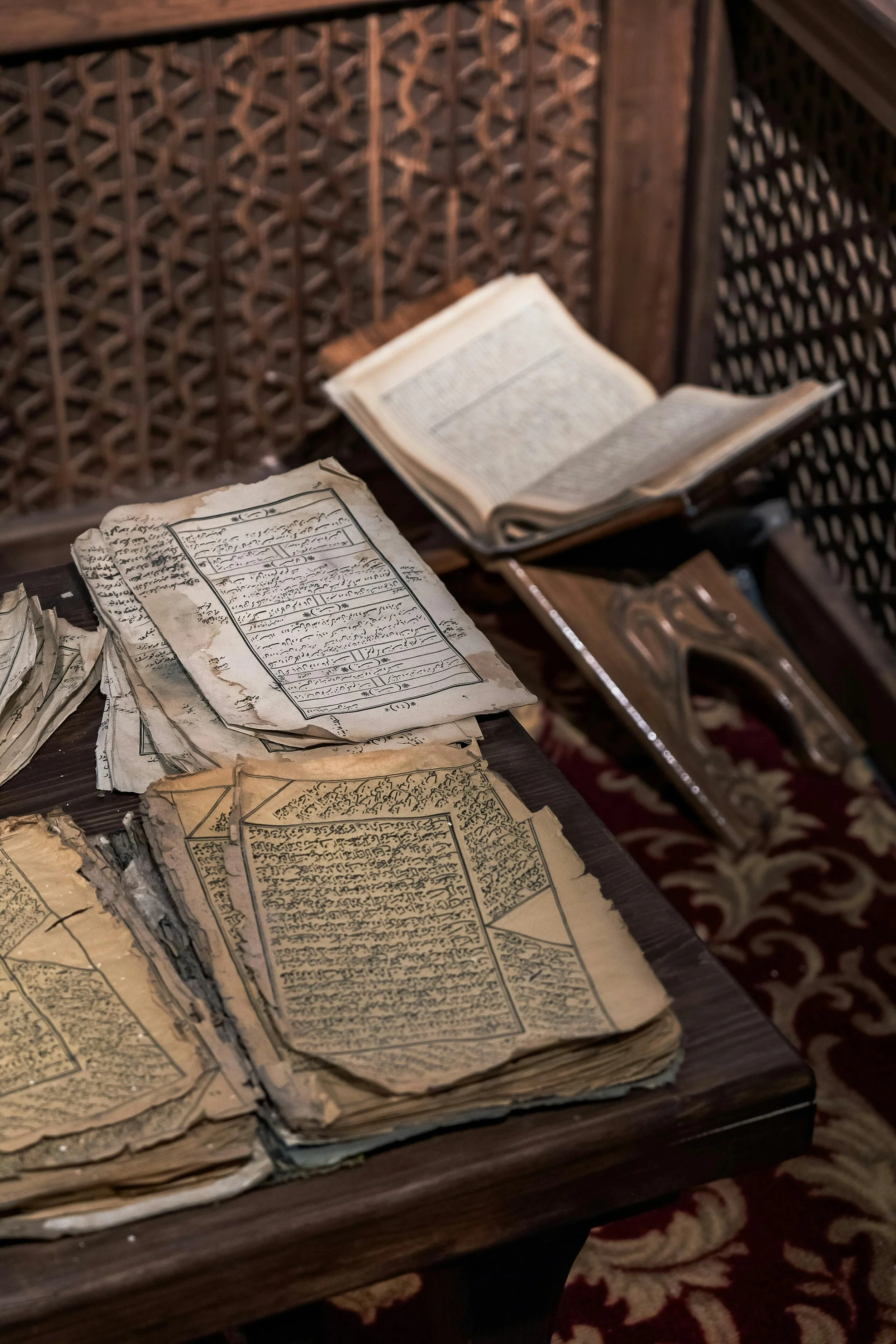

Here's a list of distinctive gifts for everyone on your nice list. The ties that bind these gifts together is that they cherish the past or create the future.
Disasters can strike unexpectedly, causing significant damage to archival collections and facilities. Whether it is a flood, fire, or another catastrophic event, the aftermath of a disaster requires a strategic response to assess the damage and initiate recovery efforts.
The inherent fragility of archival materials makes them especially vulnerable to damage during disasters. To ensure the safety and preservation of these collections, archives must develop a comprehensive disaster response and recovery plan tailored to their unique needs. A well-crafted plan mitigates risks, safeguards materials, and guides staff in responding to emergencies.
Building a secure archival environment requires a strategic, layered approach. This post outlines five essential elements every archival institution should implement: access control, secure storage, surveillance systems, staff training, and vulnerability assessments.
Preserving archival collections requires more than short-term interventions or reactive measures. Establishing a long-term archival preservation strategy is essential to ensure that materials remain accessible, stable, and intact for future generations.