



In archives, leadership is not merely a role but a proactive stance transcending the archival domain’s boundaries.
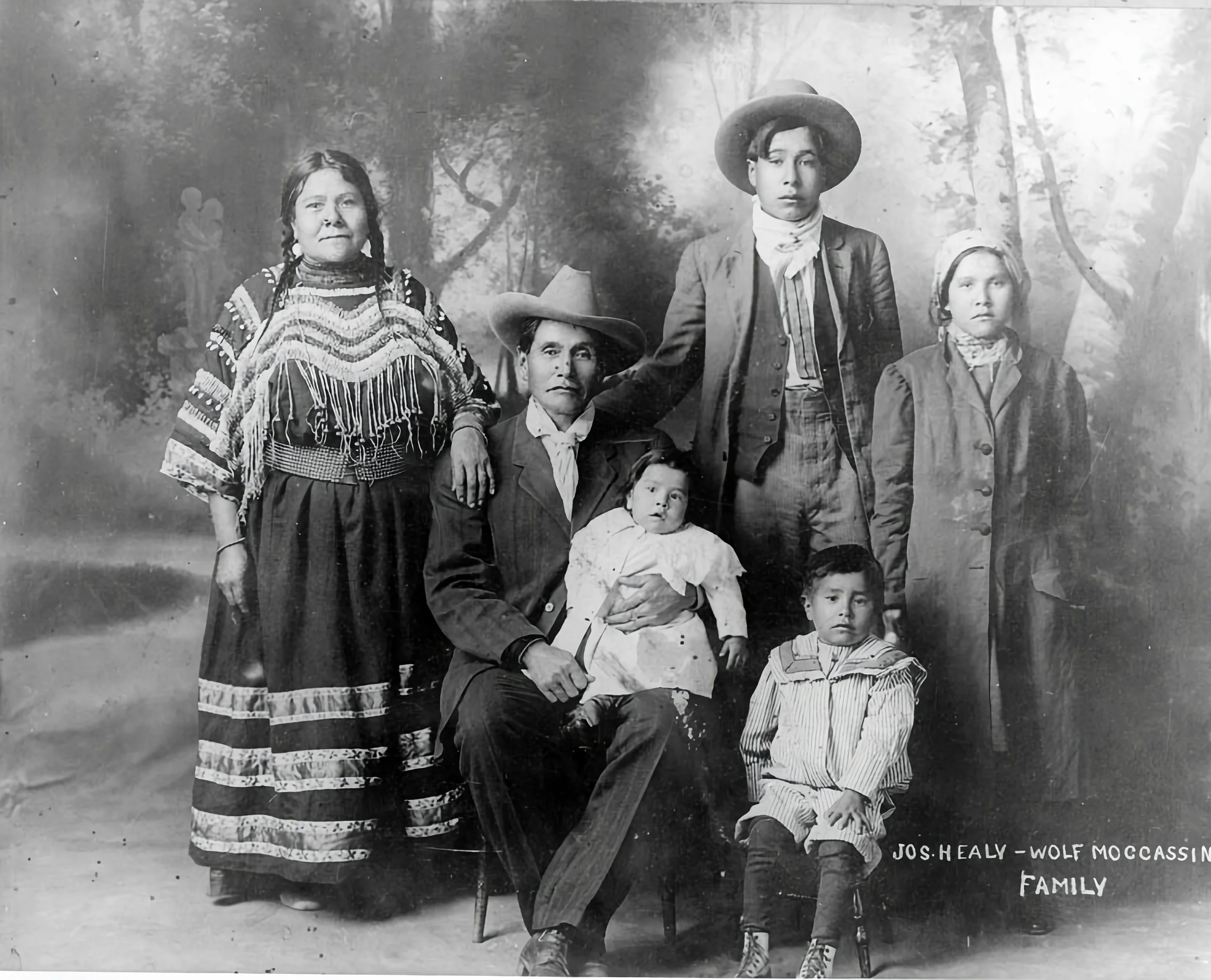
Written documents have long occupied a privileged position in archives as the most authoritative memory source. However, this excludes vast repositories of knowledge that reside outside the written word, especially within Indigenous communities, where memory is often preserved and transmitted through oral traditions, performance, storytelling, ceremony, and embodied practices.
Archival description is often treated as a neutral or technical task: summarizing contents, assigning subject headings, and organizing metadata for retrieval. However, description is actually far from neutral. It shapes how users interpret records, which narratives are centered, and whose voices are made visible or erased.
As the archival profession reckons with the legacies of colonialism, more institutions and practitioners are turning toward Indigenous and decolonial approaches that reframe traditional archival practice. Central to this shift is recognizing cultural protocols and community-defined rules governing how knowledge is created, shared, accessed, and preserved. Cultural protocols are foundational to ethical, respectful, and reciprocal relationships between archives and Indigenous communities.
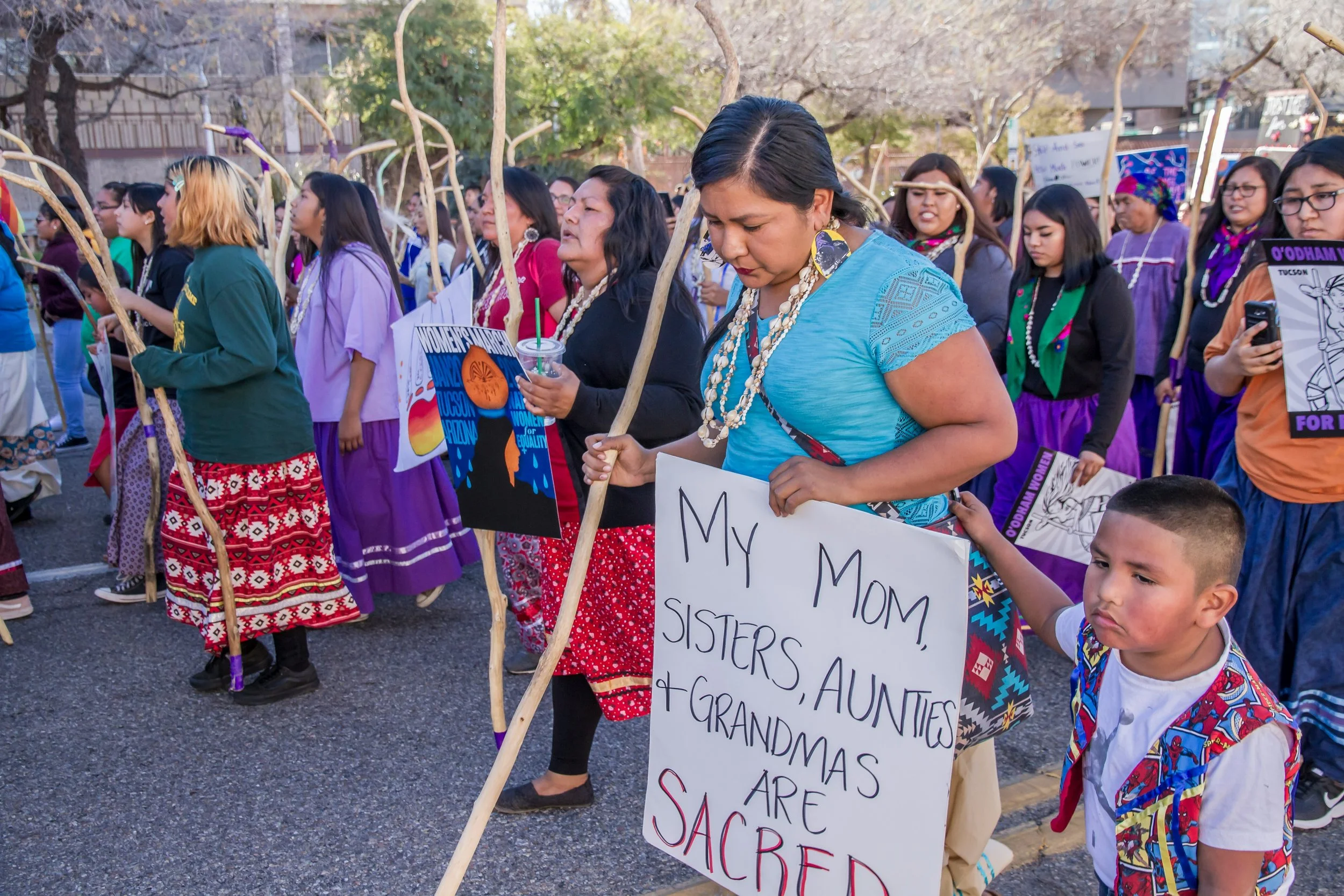
In recent decades, Indigenous communities and archivists have challenged the dominant frameworks that have long shaped archival practice. Traditionally, Western archival models have prioritized state authority, institutional control, and the presumption of neutrality. These models often fail to reflect Indigenous worldviews, community needs, or the rights of Indigenous peoples over their records and heritage.
As archival practice shifts to meet the challenges of the digital age, the ethical use of born-digital materials has become one of the most pressing concerns for archivists. These materials—emails, websites, text messages, digital photographs, spreadsheets, social media posts, and more—are created and stored digitally from their inception.


