
Preservation and conservation are critical components of archival management.
These practices ensure the long-term survival and accessibility of archival materials, preserving their rich legacy.
Preservation and conservation are fundamental pillars of archival management, playing a vital role in safeguarding the enduring legacy of archival materials. These practices are indispensable in ensuring the long-term survival and accessibility of valuable records. Preservation encompasses a range of preventive measures, such as proper storage conditions, temperature and humidity control, and protection from light and pests, all aimed at minimizing deterioration and damage. Conversely, conservation focuses on remedial actions and treatments to repair, stabilize, and restore damaged or deteriorated materials. Together, preservation and conservation efforts prolong the lifespan of archival materials, allowing future generations to explore and study the wealth of information and insights contained within these historical treasures. By prioritizing the preservation and conservation of archival materials, archivists uphold their responsibility as custodians of cultural heritage, ensuring that stories and knowledge remain accessible and appreciated for years.
Preserving and Protecting
Archives preserve and protect historical documents, photographs, manuscripts, audiovisual recordings, and other significant materials. These materials provide insight into the past and serve as invaluable research, education, and cultural understanding resources. Without proper preservation and conservation measures, these materials can deteriorate, become inaccessible, or even be lost forever.
Preservation Practices
Preservation focuses on preventing damage and slowing the natural decay of archival materials. It encompasses various activities and strategies that address environmental factors, handling practices, and storage conditions. Controlling temperature and humidity levels in archival spaces is crucial to ensure the stability and longevity of the materials. High temperatures and fluctuations in humidity can accelerate chemical reactions and physical degradation. Therefore, archives must maintain stable and controlled environments, ideally with a temperature around 20°C (68°F) and relative humidity between 30% and 50%.
Another critical aspect of preservation is the proper handling of archival materials. Archivists and researchers should be trained in appropriate handling techniques to minimize physical damage. Materials should be handled with clean hands or gloves, depending on their fragility and sensitivity. Gentle handling and support of vulnerable areas, such as brittle paper edges or delicate bindings, are essential to prevent tears, creases, or other physical harm.
Storage conditions play a significant role in the preservation of archival materials. Acid-free boxes, folders, and envelopes should protect items from direct light, dust, and pollutants. Proper housing prevents exposure to harmful agents, such as acidic materials or pests that can accelerate deterioration. Archival storage should be well-organized, ensuring that materials are stored upright, in acid-free containers, and with appropriate support to prevent slumping or distortion.
Conservation Practices
Conversely, conservation focuses on repairing, stabilizing, and restoring damaged or deteriorated materials. It involves specialized interventions carried out by trained conservators. Conservation treatments can range from minor repairs, such as mending tears or reinforcing loose bindings, to complex processes like deacidification or digitization.
Archival institutions should establish partnerships with professional conservators who possess the necessary expertise to address the specific conservation needs of their collections. Conservators employ deacidification, surface cleaning, stabilization, and rehousing techniques to protect and repair materials. It is important to note that conservation treatments should always prioritize preserving the original materials and respecting their historical integrity.
Digital Preservation
Digital preservation is another significant aspect of modern archival practices. With the proliferation of digital materials, archivists must ensure the long-term accessibility and authenticity of born-digital records. Digital preservation involves strategies to mitigate the risks of data loss, format obsolescence, and technological changes. Archives must implement robust digital preservation systems and practices, including regular data backups, metadata management, and migration to new file formats.
Long-term Accessibility
Preservation and conservation are essential components of archival management. These practices safeguard archives’ invaluable materials, ensuring their long-term survival and accessibility. Through proper preservation strategies, archives can mitigate the risks of deterioration and damage, maintaining the integrity of the materials for future generations. Conservation interventions, carried out by trained professionals, address specific repair and stabilization needs, enhancing the physical condition of damaged items. With the advent of digital records, archives must also embrace digital preservation strategies to safeguard born-digital materials. By prioritizing preservation and conservation, archives fulfill their mission to preserve and provide access to our collective cultural heritage, enriching our understanding of the past and shaping the future.
The blog was originally published on Lucidea's blog.
Get Started
Looking for archival advising, records management, and historical research services? Click below to speak with an expert consultant.

Burnout has become an increasingly recognized concern within the archival profession, and the growing visibility of the issue has opened meaningful conversations about how to strengthen workplace well-being.

Archives have long been known for their reliance on meticulous, manual work. From processing paper collections to creating detailed finding aids, the work has historically required significant labor and time. While accuracy remains critical, the sheer volume of collections and the rising expectations of users have made traditional methods increasingly unsustainable. This opportunity is where automation becomes transformative.

Financial stewardship in archives goes beyond balancing a budget. It is about responsibly managing resources to ensure the sustainability of collections and services. Stewardship means making decisions that safeguard not just today’s operations, but also tomorrow’s legacy. It requires archivists to think strategically, balancing preservation needs with access goals, and aligning resources with mission-driven priorities.

Many archives invest significant time and effort in creating strategic plans. These documents articulate vision, mission, and goals, providing a roadmap for the years ahead. However, too often, plans remain just that: documents on a shelf rather than living guides that shape day-to-day work. The gap between strategy and execution is where many archives falter.
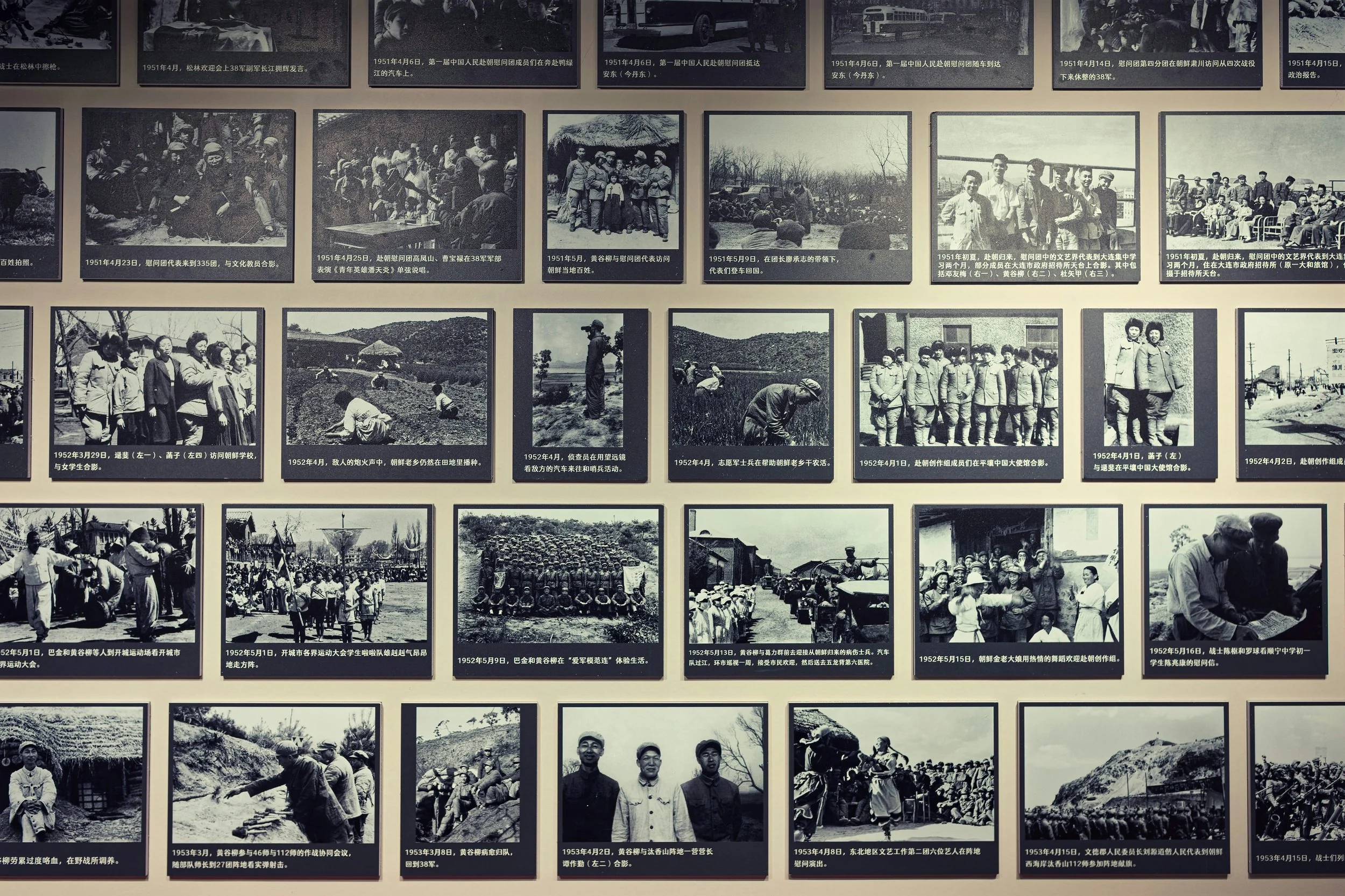
Institutions like universities and governments have traditionally controlled archives, deciding which histories to preserve. This model can sideline the voices of the communities whose stories are being recorded. In recent decades, participatory archiving has emerged, an approach that acknowledges people as active partners in shaping their own history.
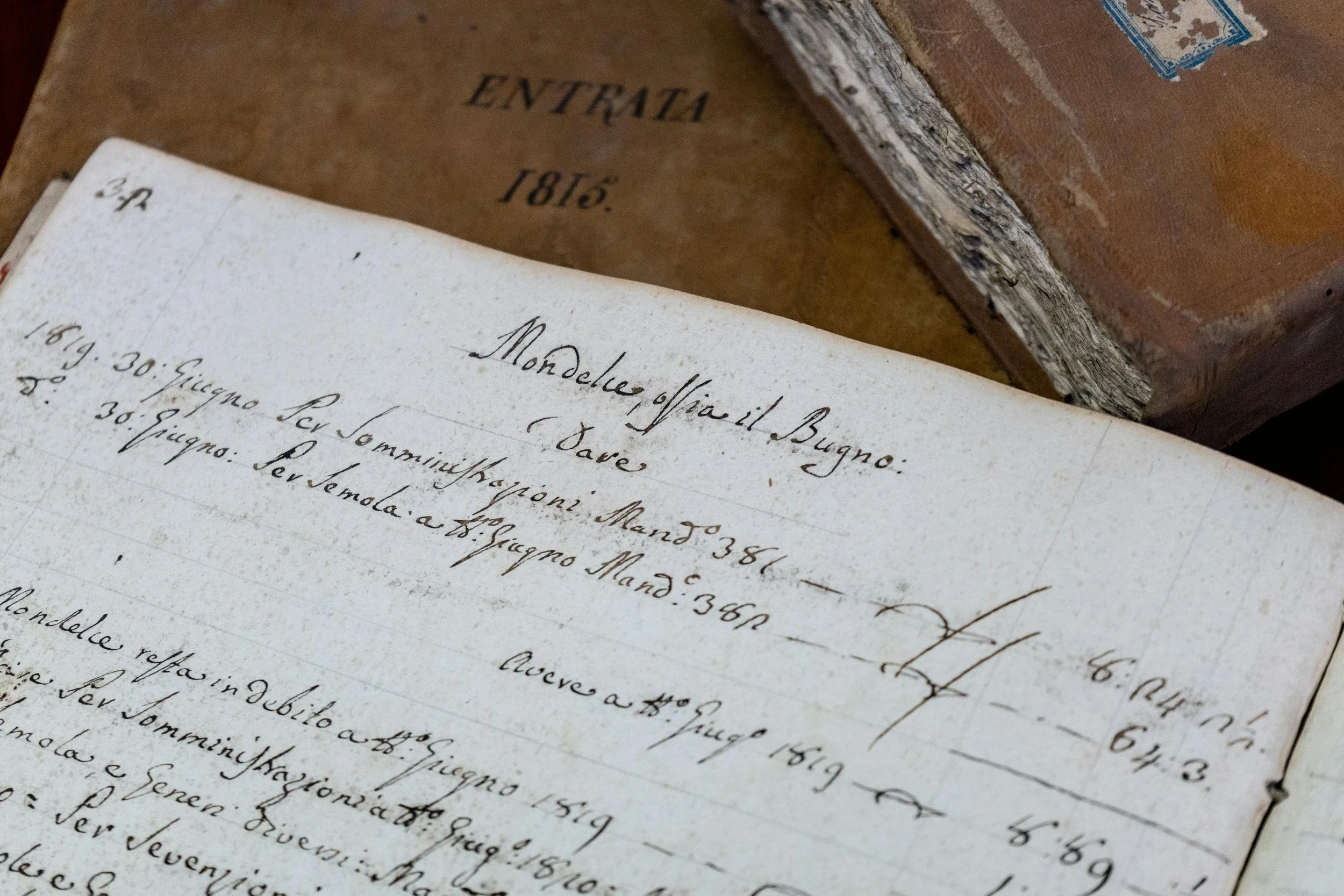
With limited resources, increasing demand, and rapid technological change, archives cannot afford to work in isolation. Building partnerships has become a strategic necessity. Collaboration expands the reach of archives, providing access to expertise, technology, and funding that may be beyond the reach of any single institution.

Archivists often find themselves explaining the value of their work to administrators, funders, and the public. Stories about unique discoveries or heartwarming encounters with collections have their place, but when it comes to advocacy and decision-making, data provides a stronger foundation. Numbers create credibility, offering concrete evidence of outcomes rather than subjective impressions.

Archivists build archives to endure. Unlike many other institutional functions, their mission spans generations.
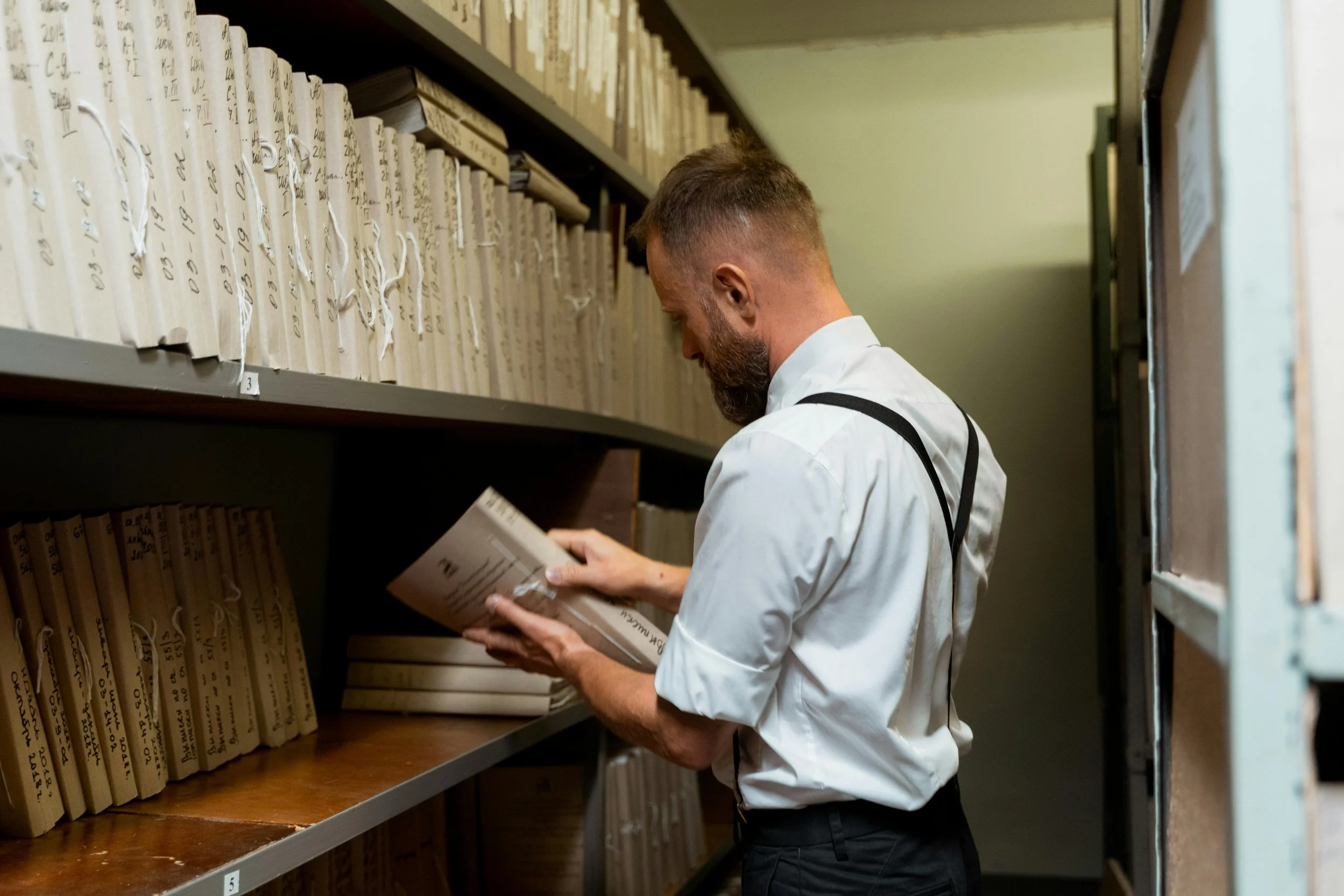
Society is increasingly treating cultural heritage as a commodity. Archives face broader economic forces that reduce cultural materials to objects for consumption and exploitation. This commodification risks reframing archives as curiosities with market value rather than repositories of cultural heritage that serve the public good. Institutions once preserved records to document the past, but market forces might now recast them as investments.

Archives often find themselves competing for limited resources within larger institutions. Universities prioritize teaching and research, nonprofits focus on programs and services, and corporations channel funds toward revenue-generating initiatives.
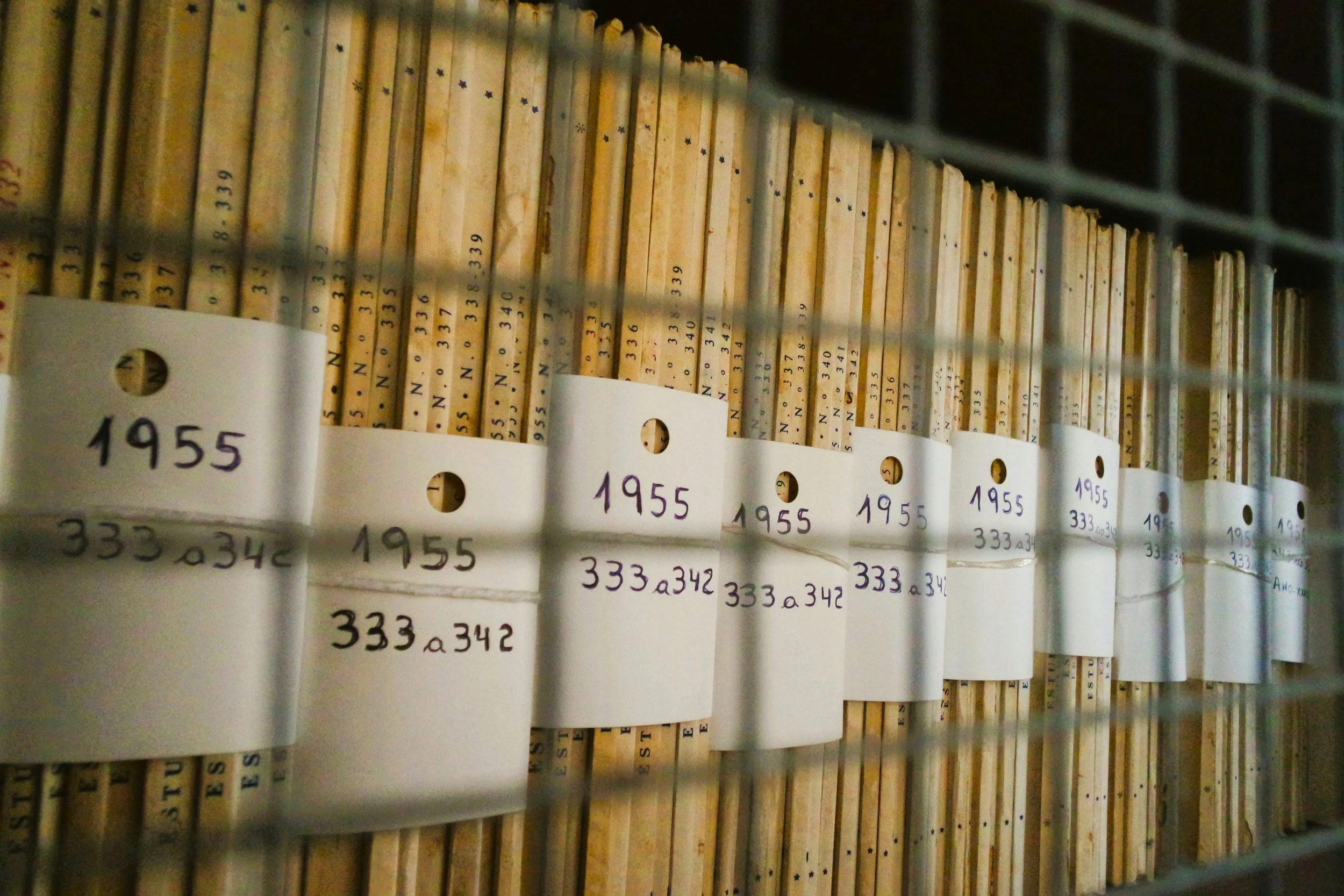
With shrinking resources and increasing demands, archivists cannot afford to view budgeting as an afterthought. A carefully developed budget is a strategic tool that connects an archives’ mission to its daily operations. It demonstrates accountability, supports advocacy efforts, and provides a framework for decision-making.

Archives often operate in environments defined by scarcity of space, staff, time, and funding. In these conditions, every decision carries weight. Without a plan, archives risk spreading their resources too thin, responding only to immediate crises, and missing opportunities for growth and impact. Strategic planning serves as a lifeline, providing archivists with a structured approach to prioritize, allocate resources, and communicate the value of their work to stakeholders.

Archivists have long recognized patterns of limited funding that shape their institutions, yet they have consistently responded with creativity, commitment, and innovation. Even when resources are scarce, archives continue to find ways to build and maintain essential infrastructure and strengthen public engagement. Each challenge underscores the importance of archivists’ labor and provides an opportunity to advocate for the central role archives play in their communities.

Archives safeguard treasures, including objects like the founding documents of a nation and photographs of defining cultural moments. These holdings inspire a sense of connection to the past, and at the heart of that work are archivists whose expertise brings these collections to life.

No archives is an island. Especially in resource-constrained environments, collaboration through shared infrastructure provides a lifeline. Consortia models turn scarcity into opportunity by spreading costs and expertise across multiple archives. By pooling resources, institutions achieve more than they could alone.

Well-resourced institutions have developed archival best practices, including comprehensive finding aids, climate-controlled storage, and digital preservation systems. For small or resource-constrained archives, these standards can feel out of reach. The danger is that the profession’s ideals may discourage institutions from taking action, leaving records vulnerable. The solution lies in paring down practices and procedures without abandoning principles.

Many archives exist within environments of chronic underfunding. Community archives, small historical societies, or lone arrangers may work with little more than donated materials, a handful of volunteers, and minimal budgets.
However, these institutions remain vital, safeguarding the histories of communities often absent from mainstream narratives. Scarcity shapes their reality, yet it can still allow meaningful work.

Humanity produces more digital content than at any other point in history. Every click, message, and post contributes to an expanding universe of data that represents the cultural memory of our time. At the center of this transformation stand archivists, the professionals uniquely trained to ensure that memories survive in the future. However, even as the scale of the challenge grows, their voices risk being sidelined in public conversations about digital preservation.

In recent years, the concept of “slow librarianship” has emerged as a thoughtful response to the accelerating pace and pressures placed upon library professionals. Drawing inspiration from the broader slow movement, it emphasizes care, reflection, ethics, and people-centered work over speed and efficiency.

The archival profession is characterized by dedication to public memory, cultural preservation, and service. However, beneath this noble mission lies a troubling reality: the increasing reliance on gig and contract labor.

Written documents have long occupied a privileged position in archives as the most authoritative memory source. However, this excludes vast repositories of knowledge that reside outside the written word, especially within Indigenous communities, where memory is often preserved and transmitted through oral traditions, performance, storytelling, ceremony, and embodied practices.

Archival description is often treated as a neutral or technical task: summarizing contents, assigning subject headings, and organizing metadata for retrieval. However, description is actually far from neutral. It shapes how users interpret records, which narratives are centered, and whose voices are made visible or erased.

As the archival profession reckons with the legacies of colonialism, more institutions and practitioners are turning toward Indigenous and decolonial approaches that reframe traditional archival practice. Central to this shift is recognizing cultural protocols and community-defined rules governing how knowledge is created, shared, accessed, and preserved. Cultural protocols are foundational to ethical, respectful, and reciprocal relationships between archives and Indigenous communities.
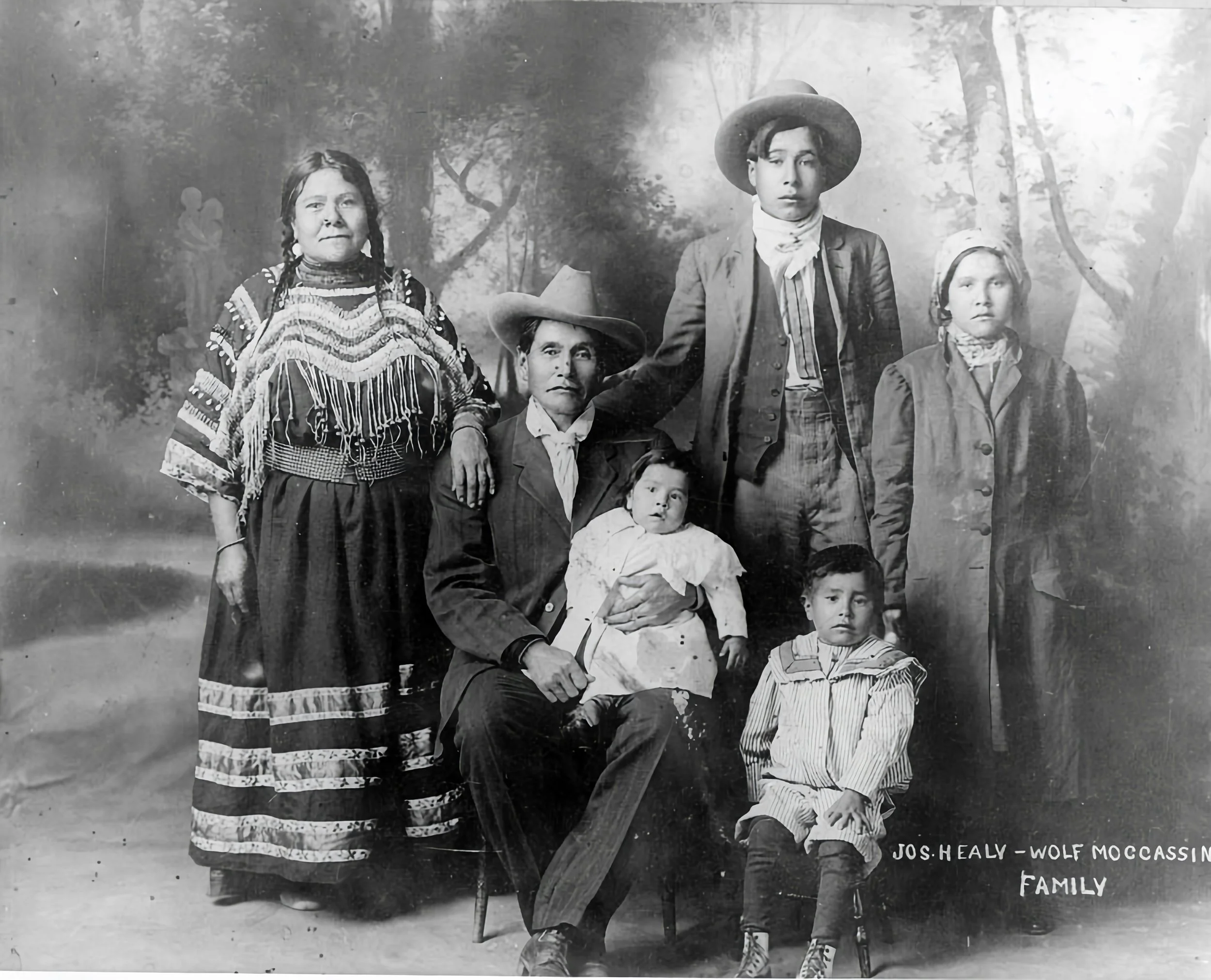
In recent decades, Indigenous communities and archivists have challenged the dominant frameworks that have long shaped archival practice. Traditionally, Western archival models have prioritized state authority, institutional control, and the presumption of neutrality. These models often fail to reflect Indigenous worldviews, community needs, or the rights of Indigenous peoples over their records and heritage.

As archival practice shifts to meet the challenges of the digital age, the ethical use of born-digital materials has become one of the most pressing concerns for archivists. These materials—emails, websites, text messages, digital photographs, spreadsheets, social media posts, and more—are created and stored digitally from their inception.

The fundamental principles of archival preservation focus on the agents of deterioration, preventive conservation, and essential preservation strategies applied in archival settings.

The monetary appraisal of archives and manuscripts is a critical yet underexplored intersection of library science and financial valuation. This article addresses the persistent knowledge gap between archival assessment and fiscal valuation and provides an overview of the monetary appraisal process in the United States. It focuses on concluding the fair market value (FMV) of noncash charitable contributions, a process governed by Internal Revenue Service (IRS) regulations and the Uniform Standards of Professional Appraisal Practice (USPAP). By documenting practices and terminology, the article serves as a resource for archivists navigating the complexities of donor relations and institutional stewardship. It advocates for increased fiscal literacy within the archival profession, suggesting that an integrated understanding of market dynamics and stewardship costs is essential for the care and financial substantiation of collections.

Proper archival storage is one of the most critical aspects of archival preservation. In addition to housing collections in a dedicated archival storage room, using suitable storage materials and enclosures helps protect archival collections from environmental damage, physical wear, and chemical deterioration.

One of the core challenges archivists face is determining the appropriate description level for materials in their collections. From broad collection-level overviews to granular item-level details, descriptive hierarchies play a crucial role in conveying the context and structure of archival materials.
In recent years, archival workers have turned to unionization to address the systemic issues that have affected the profession: precarity, low wages, and unsustainable workloads. While archives are often housed in institutions with reputations for intellectual and cultural stewardship, such as universities, libraries, museums, and historical societies, the labor conditions within these institutions may tell a different story. For many archivists, unionization represents a demand for job security and a broader call to reimagine workplace culture and equity.