
Once you’ve established the need for an archives and secured the necessary approvals, the next phase involves setting up the archives. This process requires careful planning and diligence to ensure the archives are functional, secure, and accessible.
How to Start an Archives: 7 Practical Steps
Below are the steps you should follow to set up an archives for your organization. These steps cover physical considerations as well as operational processes necessary to ensure your archives project is a success.
1. Evaluate Space and Environmental Conditions
When selecting a location for the archives, evaluating the space’s environmental conditions and infrastructure is crucial. The space should be free from potential hazards such as water pipes, windows with direct sunlight, or areas prone to flooding.
The environment should also maintain stable temperature and humidity levels to prevent damage to sensitive materials. Installing monitoring equipment to track environmental conditions is advisable, as even minor fluctuations can impact preserving archival items.
Additionally, evaluate the building’s security features, such as controlled access points, fire detection and suppression systems, and surveillance, in order to protect the archives from theft, vandalism, or natural disasters. Addressing these factors early ensures the archives’ long-term safety and sustainability.
2. Find the Perfect Archives Location
One of the first considerations when starting an archives is selecting an appropriate location. The location should be secure, climate-controlled, and accessible to authorized personnel. It should also be large enough to accommodate current and future collections and any equipment or furniture required for processing and storing materials.
In addition to physical space, consider the archives’ proximity to other departments or resources within the institution. For instance, situating the archives near the library, records management office, or IT department can facilitate collaboration and resource sharing.
3. Invest in High-Quality Equipment and Supplies
Once the location is secured, the next step is to acquire the necessary equipment and supplies, including shelving units, filing cabinets, acid-free boxes, and other archival-quality storage materials. It is important to invest in high-quality supplies to ensure the long-term preservation of materials.
In addition to storage equipment, consider the tools and technology needed for processing and managing the collection, including computers, scanners, and software for cataloging and digitizing materials. Depending on the size and scope of the archives, archivists may also need specialized equipment for handling fragile or oversized items.
4. Establish Collection, Access, and Preservation Policies
Creating policies and procedures is critical in establishing an archives, as these guidelines dictate how materials are collected, processed, stored, and accessed. Essential policies include an archival collection policy, which defines the scope of the archives and specifies the types of materials to be collected; an access policy, which outlines who can access the archives and under what conditions; and a preservation policy, which establishes procedures for preserving materials, including environmental controls, handling guidelines, and disaster preparedness.
5. Begin Processing Collections
With policies and procedures in place, the next step is processing the collection by sorting, organizing, and cataloging materials according to the established guidelines. Depending on the collection size, this process can be time-consuming, but it is essential for ensuring that materials are properly preserved and accessible.
During processing, archivists assess the condition of materials and take steps to address any preservation issues. Archivists can repair damaged items, reformat materials, or create digital copies and organize them in an archival CMS to ensure long-term preservation and access.
6. Recruit and Train Your Team
Establishing an archives requires a team of skilled professionals who understand archival principles and best practices. Depending on the size of the archives, the organization may need to hire full-time staff or part-time employees to assist with processing, cataloging, and managing the collection.
In addition to hiring staff, it is important to provide ongoing training and professional development opportunities. Doing so ensures that employees are current on the latest archival practices and technologies and can effectively manage and preserve the collection.
7. Promote the Archives to Build Awareness
Once the archives is up and running, promoting it within the institution and the broader community is important. Archivists can create promotional materials, host events, or collaborate with other departments to showcase the archives’ collections. By raising awareness and encouraging engagement, archivists can ensure that the archives becomes a valuable resource for the institution.
Ensure Your Archives Is Built to Last
Building the foundation of an archives involves a series of practical steps, from selecting a location and acquiring equipment to establishing policies and procedures. By carefully planning and executing these steps, archivists can create functional, secure, and accessible archives that will serve the institution for years.
The blog was originally published on Lucidea's blog.
Get Started
Looking for archival advising, records management, and historical research services? Click below to speak with an expert consultant.

Burnout has become an increasingly recognized concern within the archival profession, and the growing visibility of the issue has opened meaningful conversations about how to strengthen workplace well-being.

Archives have long been known for their reliance on meticulous, manual work. From processing paper collections to creating detailed finding aids, the work has historically required significant labor and time. While accuracy remains critical, the sheer volume of collections and the rising expectations of users have made traditional methods increasingly unsustainable. This opportunity is where automation becomes transformative.

Financial stewardship in archives goes beyond balancing a budget. It is about responsibly managing resources to ensure the sustainability of collections and services. Stewardship means making decisions that safeguard not just today’s operations, but also tomorrow’s legacy. It requires archivists to think strategically, balancing preservation needs with access goals, and aligning resources with mission-driven priorities.

Many archives invest significant time and effort in creating strategic plans. These documents articulate vision, mission, and goals, providing a roadmap for the years ahead. However, too often, plans remain just that: documents on a shelf rather than living guides that shape day-to-day work. The gap between strategy and execution is where many archives falter.
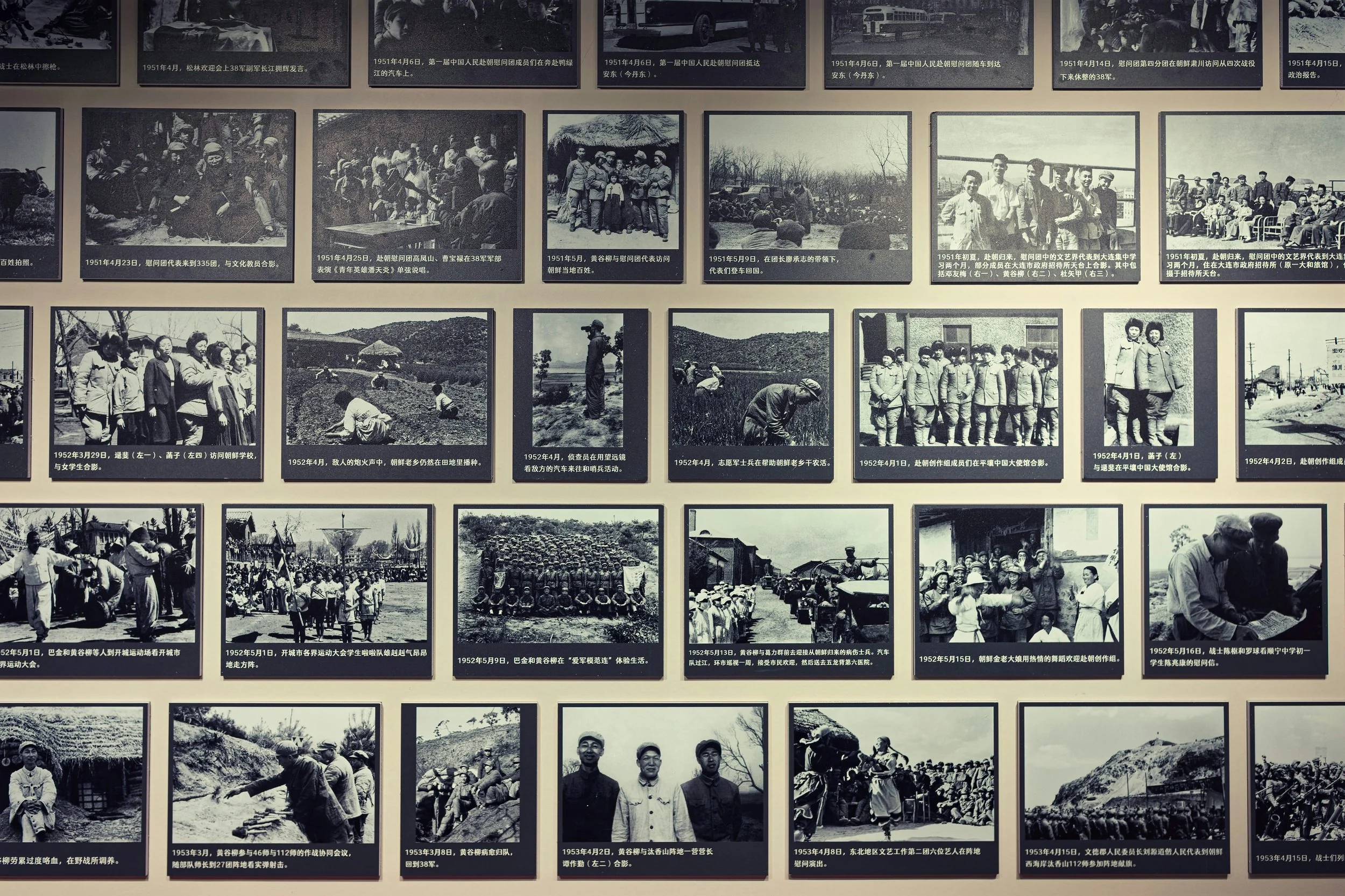
Institutions like universities and governments have traditionally controlled archives, deciding which histories to preserve. This model can sideline the voices of the communities whose stories are being recorded. In recent decades, participatory archiving has emerged, an approach that acknowledges people as active partners in shaping their own history.
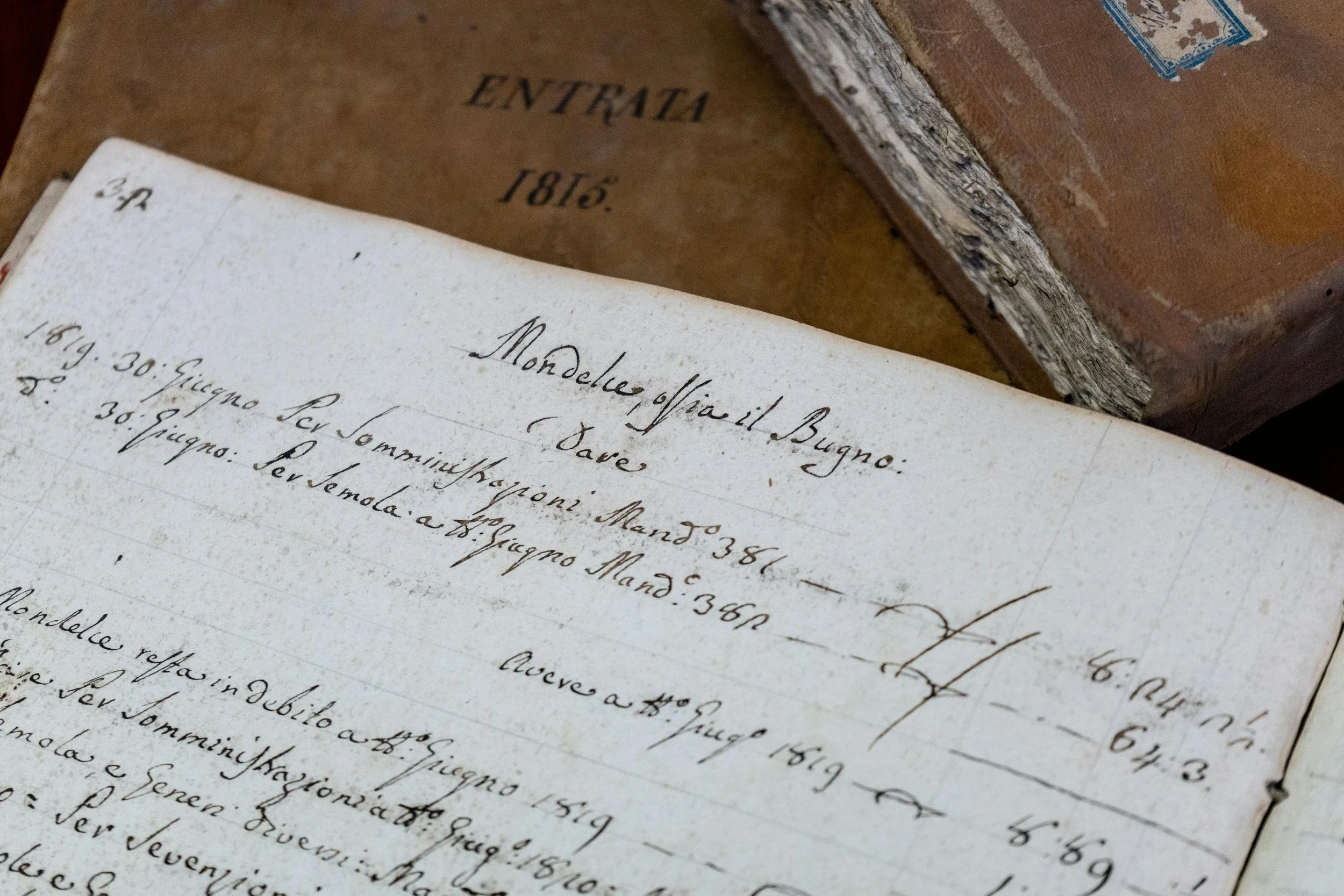
With limited resources, increasing demand, and rapid technological change, archives cannot afford to work in isolation. Building partnerships has become a strategic necessity. Collaboration expands the reach of archives, providing access to expertise, technology, and funding that may be beyond the reach of any single institution.

Archivists often find themselves explaining the value of their work to administrators, funders, and the public. Stories about unique discoveries or heartwarming encounters with collections have their place, but when it comes to advocacy and decision-making, data provides a stronger foundation. Numbers create credibility, offering concrete evidence of outcomes rather than subjective impressions.

Archivists build archives to endure. Unlike many other institutional functions, their mission spans generations.
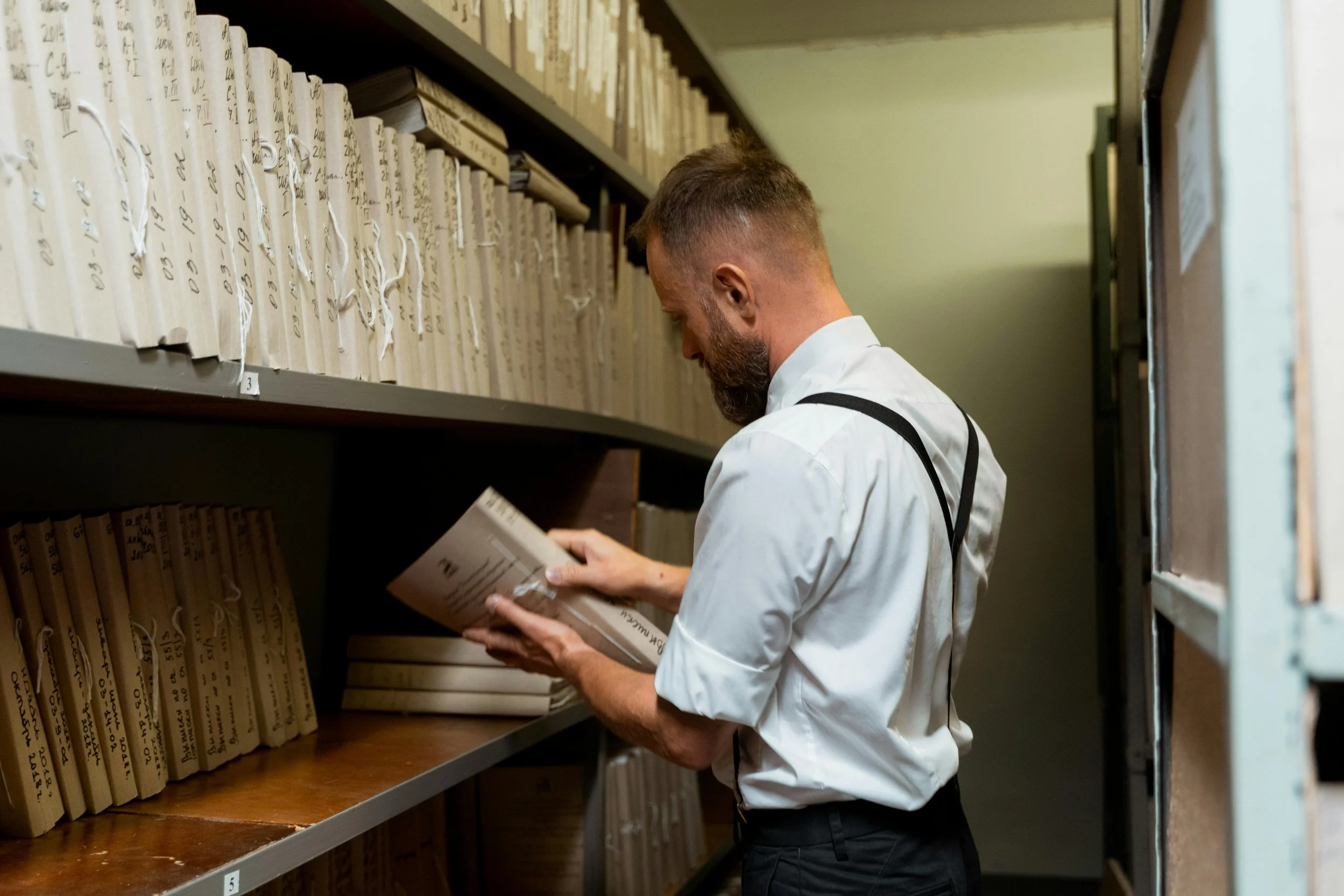
Society is increasingly treating cultural heritage as a commodity. Archives face broader economic forces that reduce cultural materials to objects for consumption and exploitation. This commodification risks reframing archives as curiosities with market value rather than repositories of cultural heritage that serve the public good. Institutions once preserved records to document the past, but market forces might now recast them as investments.

Archives often find themselves competing for limited resources within larger institutions. Universities prioritize teaching and research, nonprofits focus on programs and services, and corporations channel funds toward revenue-generating initiatives.
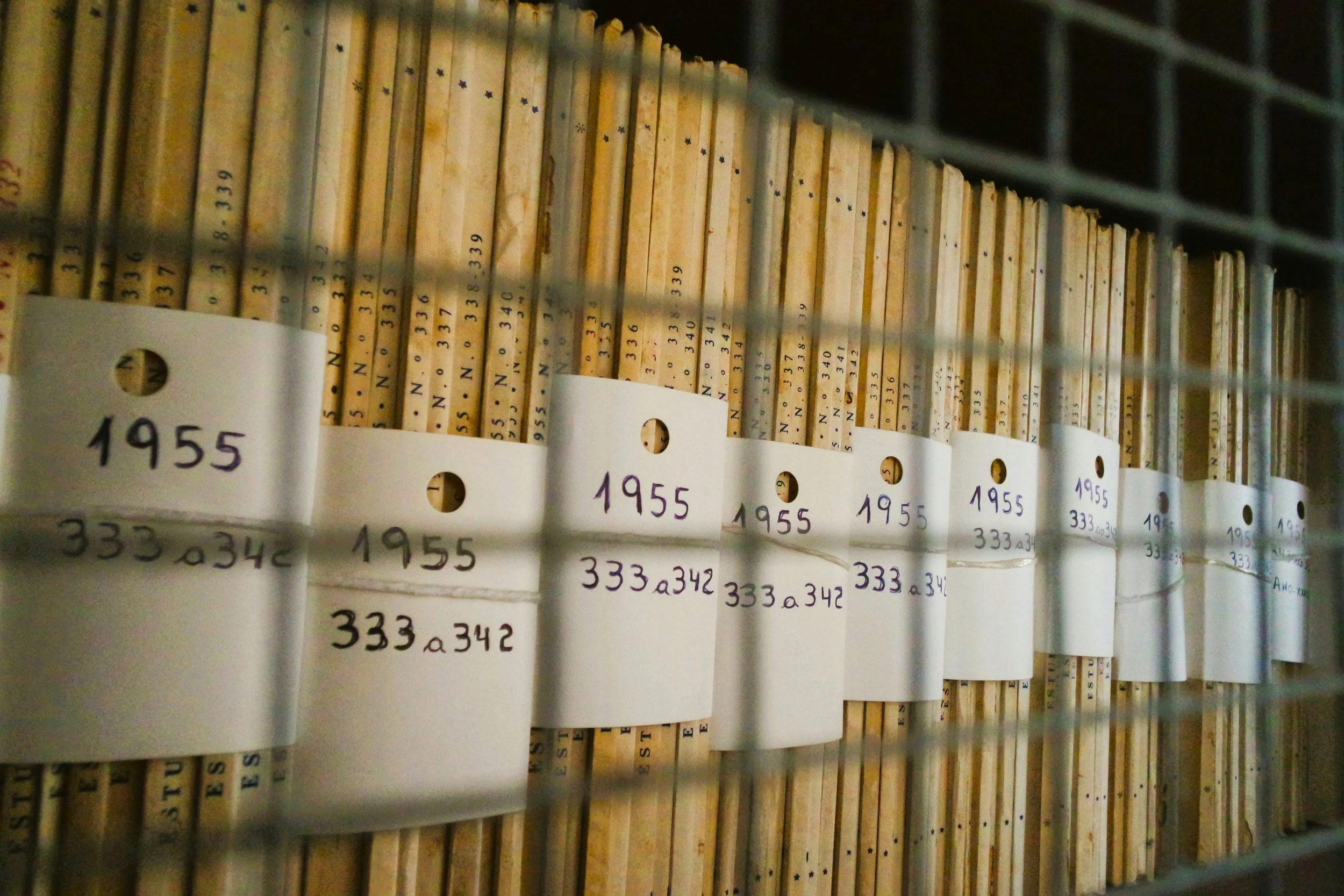
With shrinking resources and increasing demands, archivists cannot afford to view budgeting as an afterthought. A carefully developed budget is a strategic tool that connects an archives’ mission to its daily operations. It demonstrates accountability, supports advocacy efforts, and provides a framework for decision-making.

Archives often operate in environments defined by scarcity of space, staff, time, and funding. In these conditions, every decision carries weight. Without a plan, archives risk spreading their resources too thin, responding only to immediate crises, and missing opportunities for growth and impact. Strategic planning serves as a lifeline, providing archivists with a structured approach to prioritize, allocate resources, and communicate the value of their work to stakeholders.

Archivists have long recognized patterns of limited funding that shape their institutions, yet they have consistently responded with creativity, commitment, and innovation. Even when resources are scarce, archives continue to find ways to build and maintain essential infrastructure and strengthen public engagement. Each challenge underscores the importance of archivists’ labor and provides an opportunity to advocate for the central role archives play in their communities.

Archives safeguard treasures, including objects like the founding documents of a nation and photographs of defining cultural moments. These holdings inspire a sense of connection to the past, and at the heart of that work are archivists whose expertise brings these collections to life.

No archives is an island. Especially in resource-constrained environments, collaboration through shared infrastructure provides a lifeline. Consortia models turn scarcity into opportunity by spreading costs and expertise across multiple archives. By pooling resources, institutions achieve more than they could alone.

Well-resourced institutions have developed archival best practices, including comprehensive finding aids, climate-controlled storage, and digital preservation systems. For small or resource-constrained archives, these standards can feel out of reach. The danger is that the profession’s ideals may discourage institutions from taking action, leaving records vulnerable. The solution lies in paring down practices and procedures without abandoning principles.

Many archives exist within environments of chronic underfunding. Community archives, small historical societies, or lone arrangers may work with little more than donated materials, a handful of volunteers, and minimal budgets.
However, these institutions remain vital, safeguarding the histories of communities often absent from mainstream narratives. Scarcity shapes their reality, yet it can still allow meaningful work.

Humanity produces more digital content than at any other point in history. Every click, message, and post contributes to an expanding universe of data that represents the cultural memory of our time. At the center of this transformation stand archivists, the professionals uniquely trained to ensure that memories survive in the future. However, even as the scale of the challenge grows, their voices risk being sidelined in public conversations about digital preservation.

In recent years, the concept of “slow librarianship” has emerged as a thoughtful response to the accelerating pace and pressures placed upon library professionals. Drawing inspiration from the broader slow movement, it emphasizes care, reflection, ethics, and people-centered work over speed and efficiency.

The archival profession is characterized by dedication to public memory, cultural preservation, and service. However, beneath this noble mission lies a troubling reality: the increasing reliance on gig and contract labor.

Written documents have long occupied a privileged position in archives as the most authoritative memory source. However, this excludes vast repositories of knowledge that reside outside the written word, especially within Indigenous communities, where memory is often preserved and transmitted through oral traditions, performance, storytelling, ceremony, and embodied practices.

Archival description is often treated as a neutral or technical task: summarizing contents, assigning subject headings, and organizing metadata for retrieval. However, description is actually far from neutral. It shapes how users interpret records, which narratives are centered, and whose voices are made visible or erased.
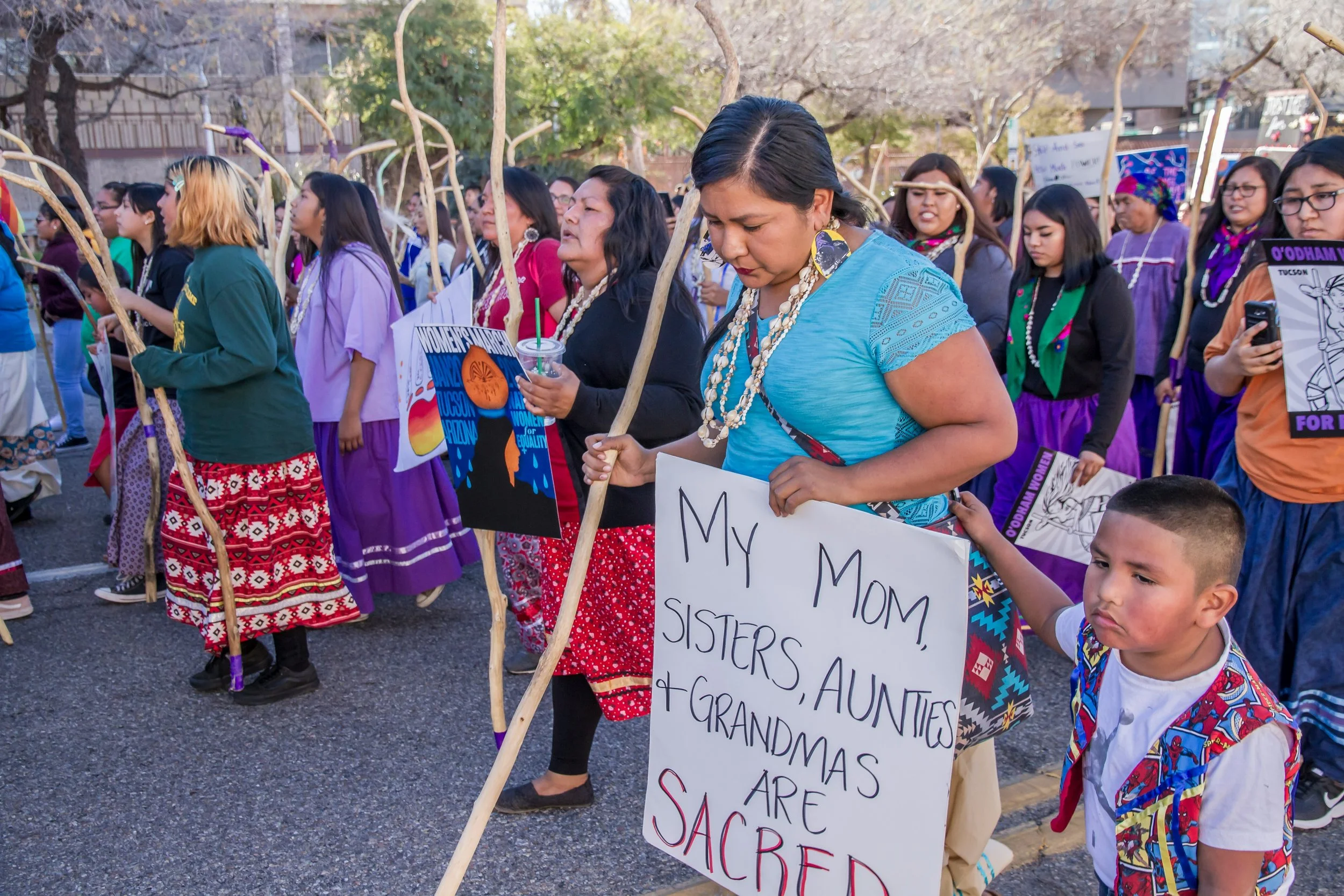
As the archival profession reckons with the legacies of colonialism, more institutions and practitioners are turning toward Indigenous and decolonial approaches that reframe traditional archival practice. Central to this shift is recognizing cultural protocols and community-defined rules governing how knowledge is created, shared, accessed, and preserved. Cultural protocols are foundational to ethical, respectful, and reciprocal relationships between archives and Indigenous communities.
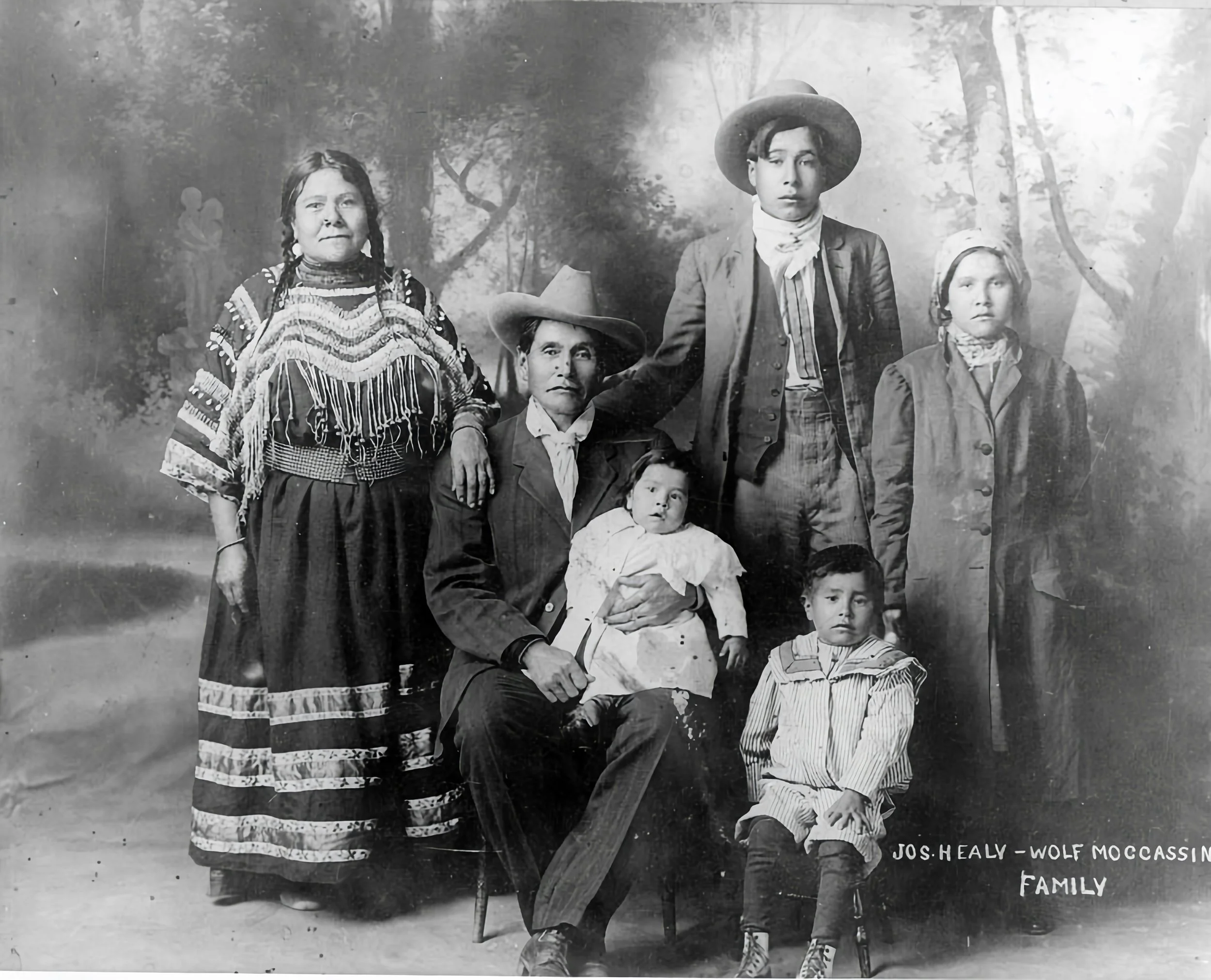
In recent decades, Indigenous communities and archivists have challenged the dominant frameworks that have long shaped archival practice. Traditionally, Western archival models have prioritized state authority, institutional control, and the presumption of neutrality. These models often fail to reflect Indigenous worldviews, community needs, or the rights of Indigenous peoples over their records and heritage.

As archival practice shifts to meet the challenges of the digital age, the ethical use of born-digital materials has become one of the most pressing concerns for archivists. These materials—emails, websites, text messages, digital photographs, spreadsheets, social media posts, and more—are created and stored digitally from their inception.

The fundamental principles of archival preservation focus on the agents of deterioration, preventive conservation, and essential preservation strategies applied in archival settings.

The monetary appraisal of archives and manuscripts is a critical yet underexplored intersection of library science and financial valuation. This article addresses the persistent knowledge gap between archival assessment and fiscal valuation and provides an overview of the monetary appraisal process in the United States. It focuses on concluding the fair market value (FMV) of noncash charitable contributions, a process governed by Internal Revenue Service (IRS) regulations and the Uniform Standards of Professional Appraisal Practice (USPAP). By documenting practices and terminology, the article serves as a resource for archivists navigating the complexities of donor relations and institutional stewardship. It advocates for increased fiscal literacy within the archival profession, suggesting that an integrated understanding of market dynamics and stewardship costs is essential for the care and financial substantiation of collections.

Proper archival storage is one of the most critical aspects of archival preservation. In addition to housing collections in a dedicated archival storage room, using suitable storage materials and enclosures helps protect archival collections from environmental damage, physical wear, and chemical deterioration.

One of the core challenges archivists face is determining the appropriate description level for materials in their collections. From broad collection-level overviews to granular item-level details, descriptive hierarchies play a crucial role in conveying the context and structure of archival materials.
In recent years, archival workers have turned to unionization to address the systemic issues that have affected the profession: precarity, low wages, and unsustainable workloads. While archives are often housed in institutions with reputations for intellectual and cultural stewardship, such as universities, libraries, museums, and historical societies, the labor conditions within these institutions may tell a different story. For many archivists, unionization represents a demand for job security and a broader call to reimagine workplace culture and equity.