
Archival repositories may never fully compete with the services offered by community centers and the extensive outreach efforts provided by libraries, museums, and art centers.
However, they can become active partners with such institutions to ensure that the needs and expectations of their communities are met and exceeded.
Creative Crucibles
“Creative Placemaking,” a paper published by the National Endowment for the Arts, cites archives and special collections as excellent examples of “creative crucibles,” one of many satellite cultural spaces that contribute to the cultural and economic well-being of a community. Archivists can employ their collections as a resource to develop exciting programs and projects to promote their institutions and to connect to their users. Archival-focused art programs, oral history projects, educational outreach, and commemorative events have benefited archives in many ways. Such efforts can make archival collections more visible, create collaborative opportunities with other institutions, and help archives build relevance. Moreover, these programs have proven valuable to users in supplying learning and research opportunities, encouraging social interaction with other users, and engaging the public in community and collection development.
Archival repositories can create outreach programs that can engage more people, including hard-to-reach populations with the archives. This can also provide a way to interact directly with the community audience, hear their thoughts and ideas about the work archivists do, and communicate the organization’s message.
Archivists can become creative with activities, whether they are at large, well-funded institutions and smaller departments with more modest resources. For example, activities can rely on specific types of special collections and archives, such as art and oral history collections. In contrast, other types of archives can consider innovative types of programming, including educational initiatives, exhibitions, and interactive archives.
Ever Present Challenges
Of course, there are constraints associated with outreach projects, such as ubiquitous budget and staffing cuts and changing priorities. Specific challenges can be related to particular efforts, such as the logistics associated with mounting a public program that includes a performance component or the need to reallocate existing financial resources to pay for server space in support of digital projects. Archivists can suffer from isolation, lack of funding, and conflicting loyalties. Daily, they feel the tension between taking care of their collections, preparing them to last, and making them accessible to users.
These challenges unite all archives professionals. It is interesting to learn how others have coped with these challenges and maintained their projects when outreach activities are often viewed as an additional service rather than a core one. One way to jump over this hurdle is to institutionalize projects within the archives department’s routine work as soon as possible. When a line item in the budget changes from a project to an operational expense, it is most likely to remain that way.
Being Evident within Communities
However, increasing archival visibility in the community is not just a worthwhile venture; it can be a desperate attempt at survival. The simple truth is that the members of communities in which the archives reside will not necessarily engage with the archives. Instead, archivists must be initiative-taking in reaching out to their larger internal and external communities regularly and in various ways. Effective community engagement leads to more patrons, monetary donations, and job security.
Reaching Out to Communities
Engagement opportunities can be used to raise the visibility of the archives or special collections and increase the content of collections. For example, materials may also come in as the community learns more about what types of collections institutions have in the archives. Donors then become new stakeholders in the local institution and will encourage further donations through word of mouth. The result can be the vital communities built between archives and their constituents.
The blog was originally published on Lucidea's blog.
Get Started
Looking for archival advising, records management, and historical research services? Click below to speak with an expert consultant.
With shrinking resources and increasing demands, archivists cannot afford to view budgeting as an afterthought. A carefully developed budget is a strategic tool that connects an archives’ mission to its daily operations. It demonstrates accountability, supports advocacy efforts, and provides a framework for decision-making.

Archives often operate in environments defined by scarcity of space, staff, time, and funding. In these conditions, every decision carries weight. Without a plan, archives risk spreading their resources too thin, responding only to immediate crises, and missing opportunities for growth and impact. Strategic planning serves as a lifeline, providing archivists with a structured approach to prioritize, allocate resources, and communicate the value of their work to stakeholders.

Archivists have long recognized patterns of limited funding that shape their institutions, yet they have consistently responded with creativity, commitment, and innovation. Even when resources are scarce, archives continue to find ways to build and maintain essential infrastructure and strengthen public engagement. Each challenge underscores the importance of archivists’ labor and provides an opportunity to advocate for the central role archives play in their communities.

Archives safeguard treasures, including objects like the founding documents of a nation and photographs of defining cultural moments. These holdings inspire a sense of connection to the past, and at the heart of that work are archivists whose expertise brings these collections to life.

No archives is an island. Especially in resource-constrained environments, collaboration through shared infrastructure provides a lifeline. Consortia models turn scarcity into opportunity by spreading costs and expertise across multiple archives. By pooling resources, institutions achieve more than they could alone.

Well-resourced institutions have developed archival best practices, including comprehensive finding aids, climate-controlled storage, and digital preservation systems. For small or resource-constrained archives, these standards can feel out of reach. The danger is that the profession’s ideals may discourage institutions from taking action, leaving records vulnerable. The solution lies in paring down practices and procedures without abandoning principles.

Many archives exist within environments of chronic underfunding. Community archives, small historical societies, or lone arrangers may work with little more than donated materials, a handful of volunteers, and minimal budgets.
However, these institutions remain vital, safeguarding the histories of communities often absent from mainstream narratives. Scarcity shapes their reality, yet it can still allow meaningful work.

Humanity produces more digital content than at any other point in history. Every click, message, and post contributes to an expanding universe of data that represents the cultural memory of our time. At the center of this transformation stand archivists, the professionals uniquely trained to ensure that memories survive in the future. However, even as the scale of the challenge grows, their voices risk being sidelined in public conversations about digital preservation.

In recent years, the concept of “slow librarianship” has emerged as a thoughtful response to the accelerating pace and pressures placed upon library professionals. Drawing inspiration from the broader slow movement, it emphasizes care, reflection, ethics, and people-centered work over speed and efficiency.

The archival profession is characterized by dedication to public memory, cultural preservation, and service. However, beneath this noble mission lies a troubling reality: the increasing reliance on gig and contract labor.

Written documents have long occupied a privileged position in archives as the most authoritative memory source. However, this excludes vast repositories of knowledge that reside outside the written word, especially within Indigenous communities, where memory is often preserved and transmitted through oral traditions, performance, storytelling, ceremony, and embodied practices.

Archival description is often treated as a neutral or technical task: summarizing contents, assigning subject headings, and organizing metadata for retrieval. However, description is actually far from neutral. It shapes how users interpret records, which narratives are centered, and whose voices are made visible or erased.
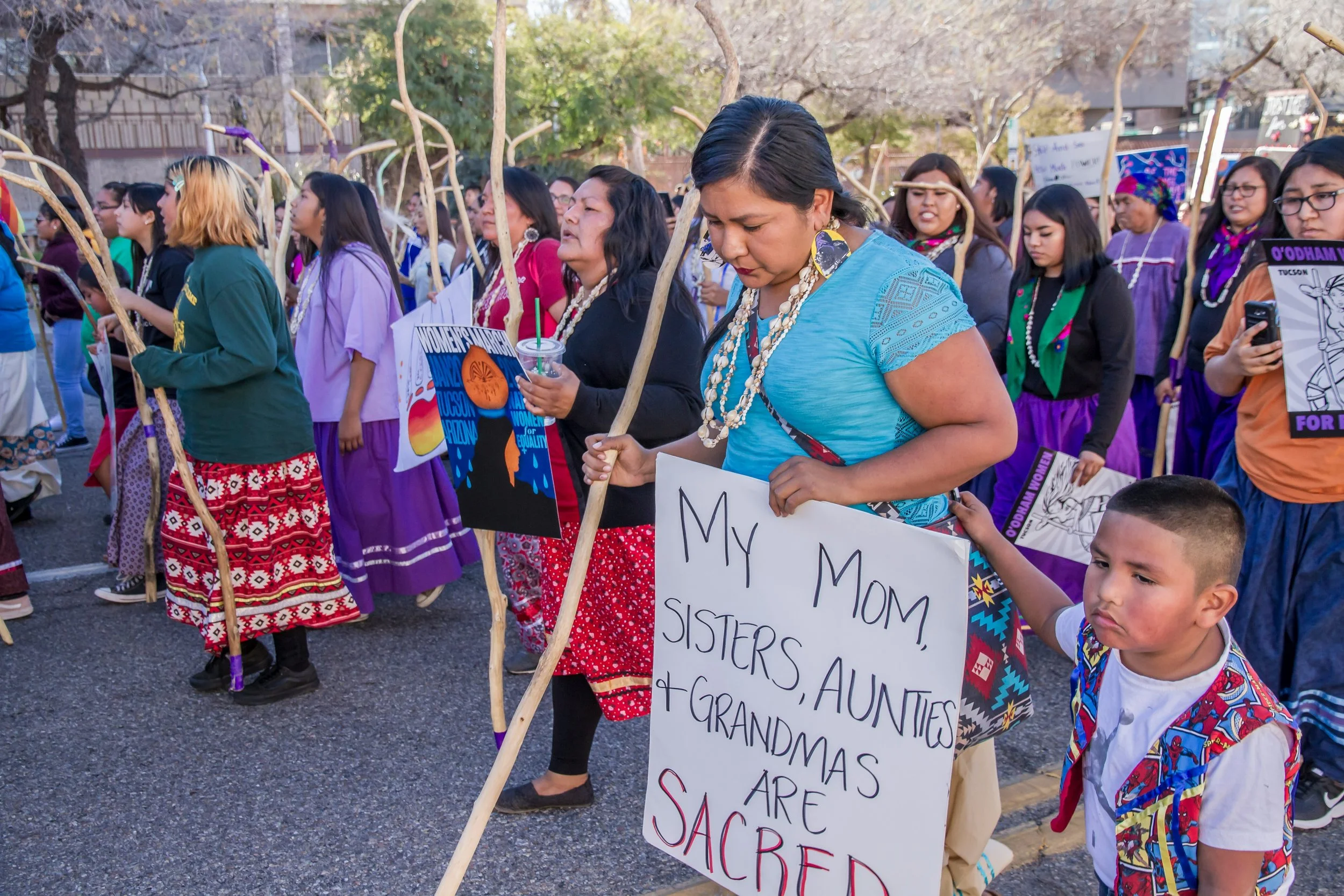
As the archival profession reckons with the legacies of colonialism, more institutions and practitioners are turning toward Indigenous and decolonial approaches that reframe traditional archival practice. Central to this shift is recognizing cultural protocols and community-defined rules governing how knowledge is created, shared, accessed, and preserved. Cultural protocols are foundational to ethical, respectful, and reciprocal relationships between archives and Indigenous communities.

In recent decades, Indigenous communities and archivists have challenged the dominant frameworks that have long shaped archival practice. Traditionally, Western archival models have prioritized state authority, institutional control, and the presumption of neutrality. These models often fail to reflect Indigenous worldviews, community needs, or the rights of Indigenous peoples over their records and heritage.

As archival practice shifts to meet the challenges of the digital age, the ethical use of born-digital materials has become one of the most pressing concerns for archivists. These materials—emails, websites, text messages, digital photographs, spreadsheets, social media posts, and more—are created and stored digitally from their inception.

The fundamental principles of archival preservation focus on the agents of deterioration, preventive conservation, and essential preservation strategies applied in archival settings.

The monetary appraisal of archives and manuscripts is a critical yet underexplored intersection of library science and financial valuation. This article addresses the persistent knowledge gap between archival assessment and fiscal valuation and provides an overview of the monetary appraisal process in the United States. It focuses on concluding the fair market value (FMV) of noncash charitable contributions, a process governed by Internal Revenue Service (IRS) regulations and the Uniform Standards of Professional Appraisal Practice (USPAP). By documenting practices and terminology, the article serves as a resource for archivists navigating the complexities of donor relations and institutional stewardship. It advocates for increased fiscal literacy within the archival profession, suggesting that an integrated understanding of market dynamics and stewardship costs is essential for the care and financial substantiation of collections.

Proper archival storage is one of the most critical aspects of archival preservation. In addition to housing collections in a dedicated archival storage room, using suitable storage materials and enclosures helps protect archival collections from environmental damage, physical wear, and chemical deterioration.

One of the core challenges archivists face is determining the appropriate description level for materials in their collections. From broad collection-level overviews to granular item-level details, descriptive hierarchies play a crucial role in conveying the context and structure of archival materials.

Description is a cornerstone of archival practice, providing the means for users and archivists to understand, access, and interpret materials.

Mixed-media archives, which contain physical and digital records, present unique challenges for archival arrangement. These collections require archivists to develop strategies that address the different needs of physical and digital materials while maintaining the collection’s coherence and accessibility.

Digital records have introduced new challenges to traditional archival arrangement practices. While the principles of original order and provenance remain relevant, the nature of digital materials requires archivists to adapt these principles to new formats and technologies.

Archival arrangement organizes and structures archival materials to ensure efficient management, access, and preservation.

Redaction in archival work—obscuring or removing sensitive information from records—has become a central concern in contemporary archival ethics. As archives increasingly acquire born-digital records and digitize historical collections for online access, archivists must grapple with data privacy, access, transparency, and potential harm.

Archives have traditionally focused on preserving historical records, ensuring access, and maintaining the integrity of collections. However, in the digital age, the moral responsibilities of archivists have grown more complex.

Archives have long been viewed as bastions of memory, preservation, and historical accountability. However, archivists must confront ethical questions in an era of digital surveillance, data harvesting, and global information flows.

As archival institutions evolve from custodians of information to facilitators of memory and meaning-making, emotional engagement has become a vital, though often overlooked, dimension of archival design.

Archival reading rooms have long been the centerpiece of public access to collections. They are where researchers engage with historical documents, where discovery becomes tangible, and where the institutional identity of an archives is most visibly embodied.

Archival discovery tools, such as catalogs, finding aids, search interfaces, and digital repositories, are often the first point of contact between users and collections. These tools serve as maps and compasses, guiding users through vast and often complex holdings.
Archives often find themselves competing for limited resources within larger institutions. Universities prioritize teaching and research, nonprofits focus on programs and services, and corporations channel funds toward revenue-generating initiatives.