



Archivists should increase the number of access points to their materials to help users navigate their collections.
Description combines traditional archival practices with visual resource communities’ more focused descriptive methods.
One of the core challenges archivists face is determining the appropriate description level for materials in their collections. From broad collection-level overviews to granular item-level details, descriptive hierarchies play a crucial role in conveying the context and structure of archival materials.
Description is a cornerstone of archival practice, providing the means for users and archivists to understand, access, and interpret materials.
Mixed-media archives, which contain physical and digital records, present unique challenges for archival arrangement. These collections require archivists to develop strategies that address the different needs of physical and digital materials while maintaining the collection’s coherence and accessibility.
Digital records have introduced new challenges to traditional archival arrangement practices. While the principles of original order and provenance remain relevant, the nature of digital materials requires archivists to adapt these principles to new formats and technologies.
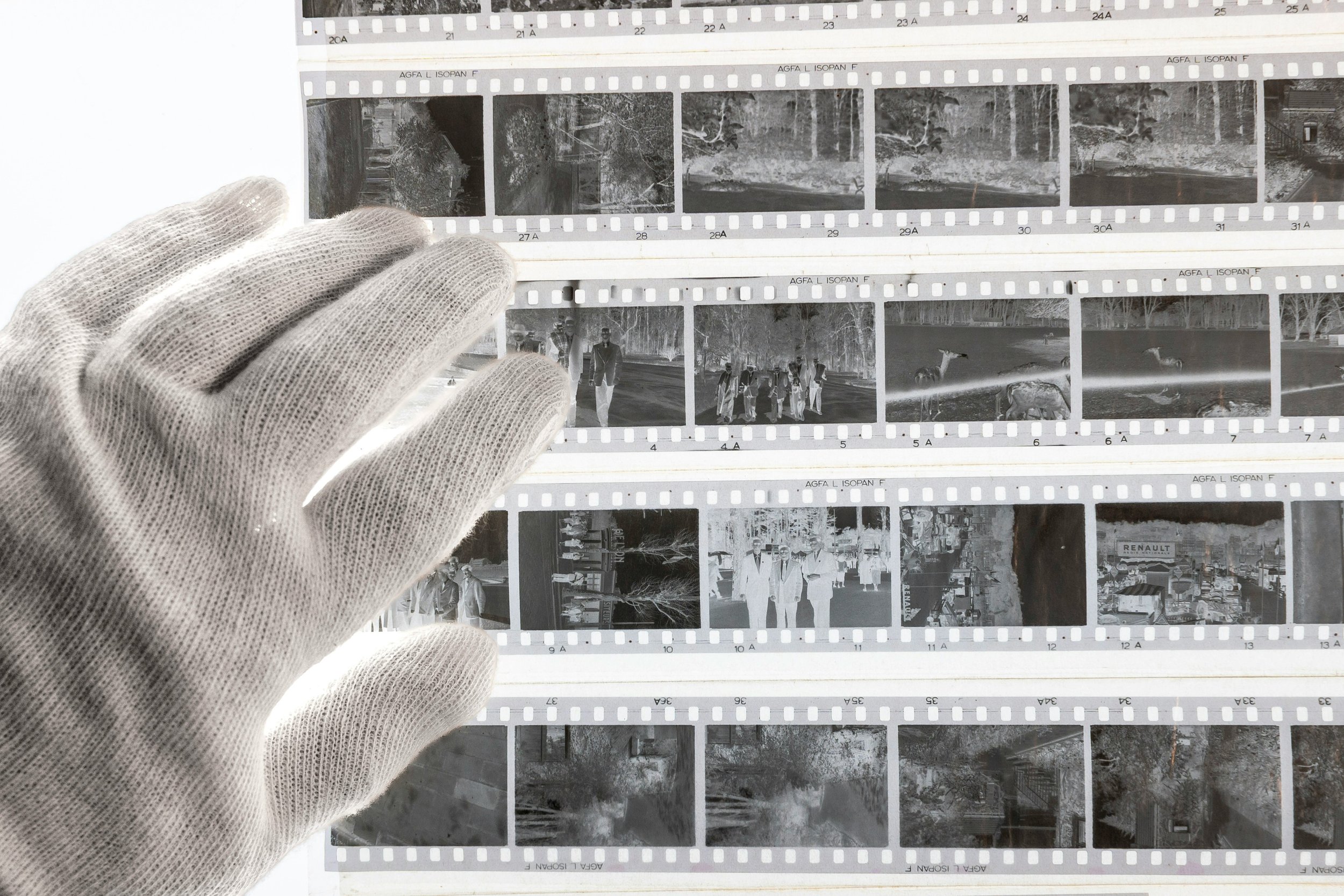
Archival repositories can generate surrogates for various purposes, such as PDFs for print reproduction, JPEGs for online display, and TIFFs for storage.
The hundredth copy of a digital image is indistinguishable from its progenitors. Electronic copies suffer no degradation through the duplication process, unlike other forms of copying, such as facsimiles. A copy of a digital image is indistinguishable from its source, while the original can lose its meaning in this electronic world.