


Interrogating Documents with 16 Questions

Interrogating Documents with 16 Questions

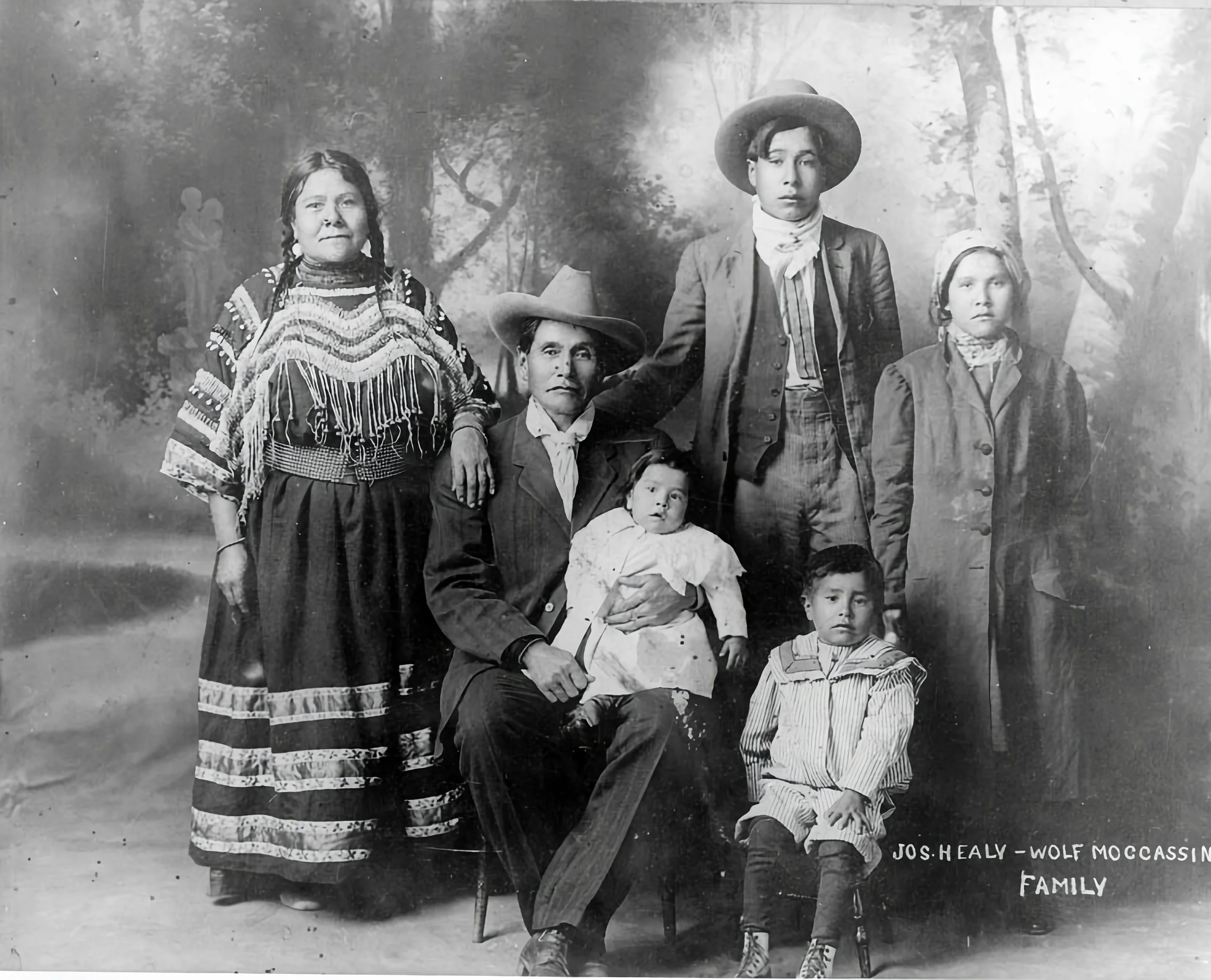
When I teach my Research Methods students, I often ask them to interrogate their primary sources. When you’re working with documents—whether manuscripts from the 17th century or blog posts that were published minutes ago—you need to analyze them like detectives. Nothing should be taken at face value. Often, this means that a document may need to be read several times to unravel its meaning.

How to Analyze Historic Photographs

How to Analyze Historic Photographs

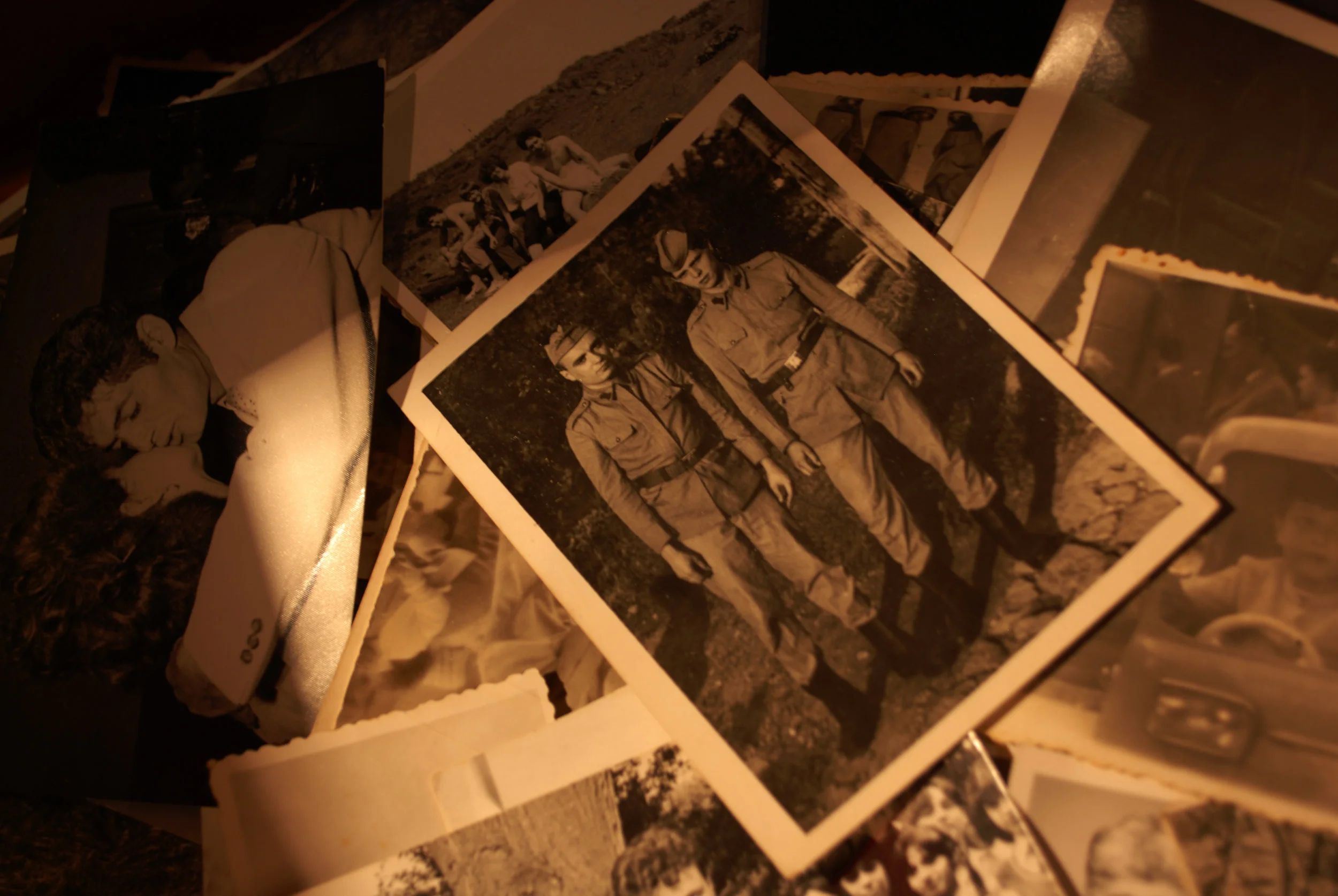
Photographs contain a wealth of information, but you need to build your visual literacy to extract clues. The social history context that photographs provide is especially important for groups who have historically not been represented in text-based archival collections, such as women or people of color. I've gathered some of the techniques I use when conducting historical analysis of photographs.

Organizing a Zine Collection

Organizing a Zine Collection

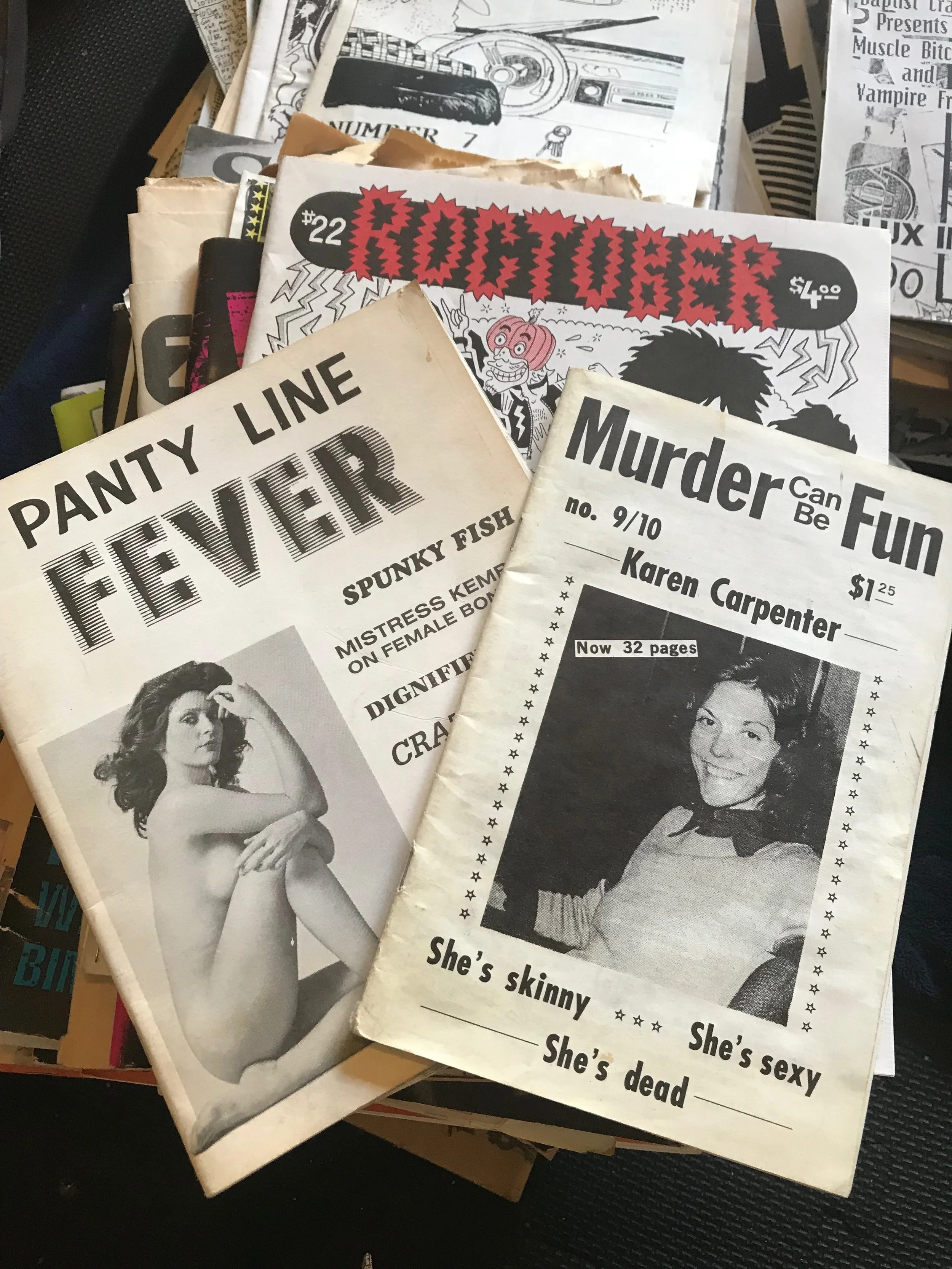
A zine (short for magazine or fanzine) is a small-circulation, self-published work. Zines come in a variety of styles: photocopied, printed on cheap paper, or professionally printed. They could and were about any topic imaginable. My favorites were the punk and true crime-related ones. Extreme Noise in Minneapolis had a free zine bin that I happily dig through every time I visited and I'd leave with the most interesting ones. Zines were particularly popular in the mid- to late-1990s, and were later replaced by blogs and social media.