
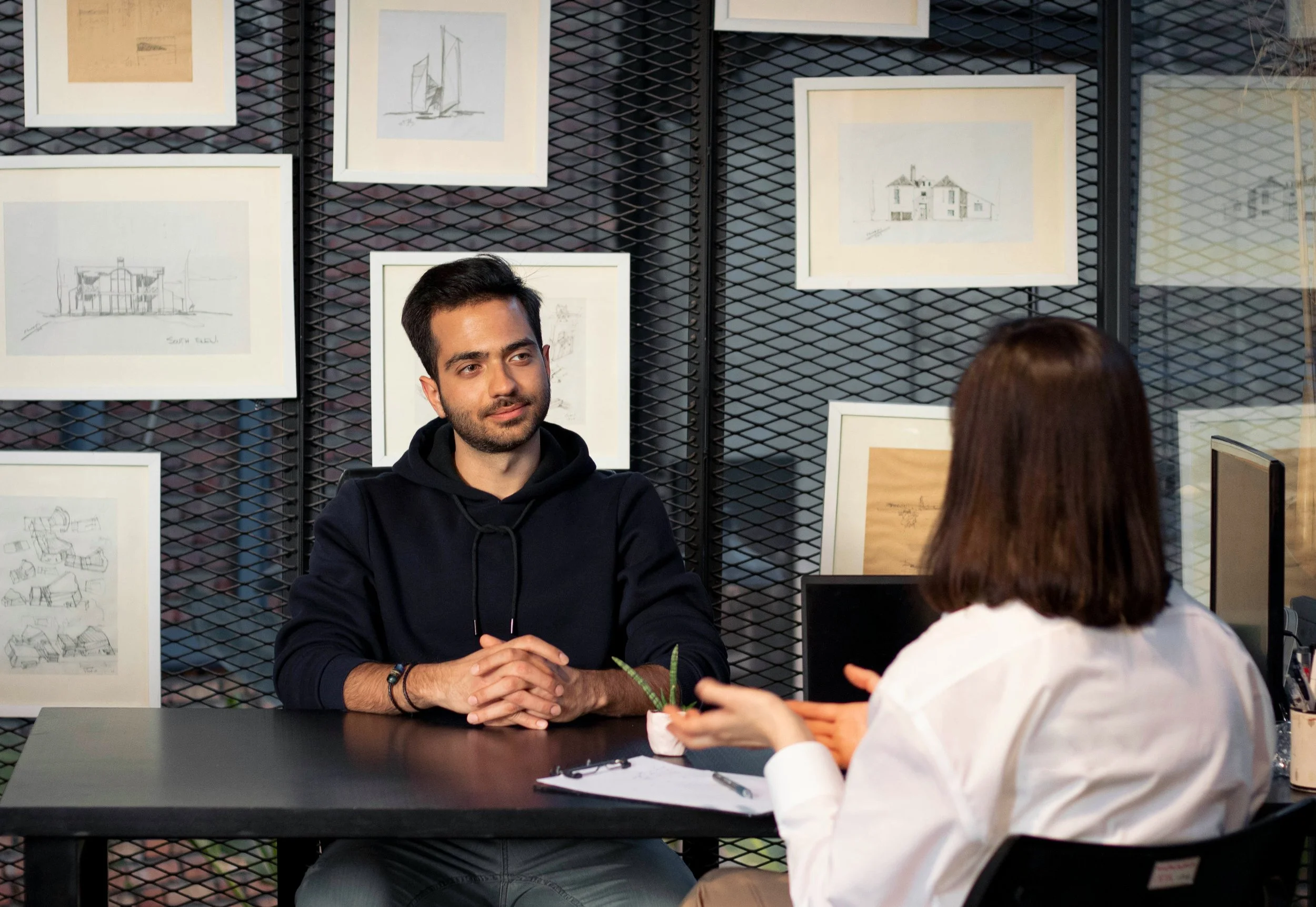
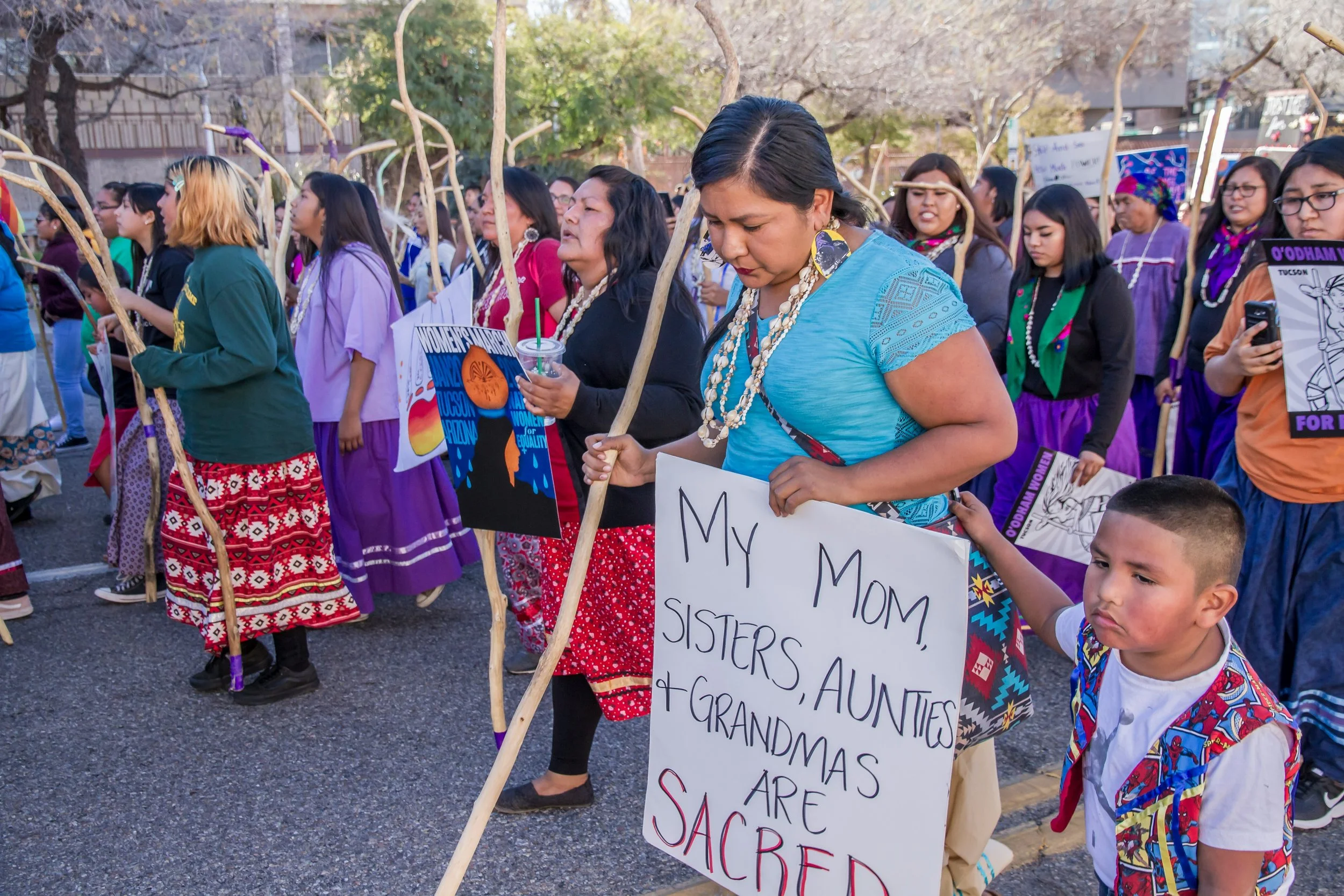
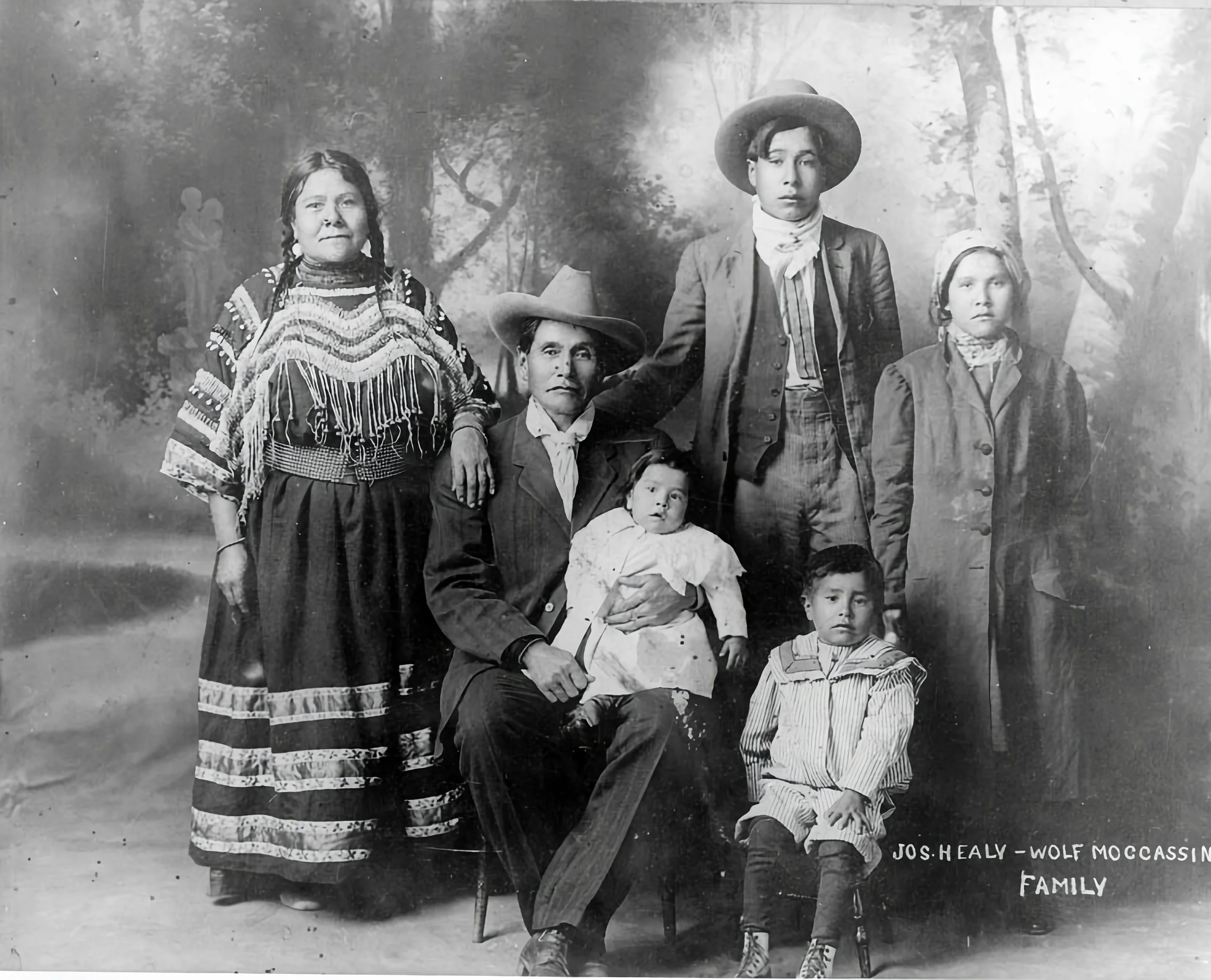

Active learning means understanding the subject matter your studying through different activities. The efforts allow you to evaluate the content rather than just memorizing the theory.
The archival profession is characterized by dedication to public memory, cultural preservation, and service. However, beneath this noble mission lies a troubling reality: the increasing reliance on gig and contract labor.
Written documents have long occupied a privileged position in archives as the most authoritative memory source. However, this excludes vast repositories of knowledge that reside outside the written word, especially within Indigenous communities, where memory is often preserved and transmitted through oral traditions, performance, storytelling, ceremony, and embodied practices.
Archival description is often treated as a neutral or technical task: summarizing contents, assigning subject headings, and organizing metadata for retrieval. However, description is actually far from neutral. It shapes how users interpret records, which narratives are centered, and whose voices are made visible or erased.
As the archival profession reckons with the legacies of colonialism, more institutions and practitioners are turning toward Indigenous and decolonial approaches that reframe traditional archival practice. Central to this shift is recognizing cultural protocols and community-defined rules governing how knowledge is created, shared, accessed, and preserved. Cultural protocols are foundational to ethical, respectful, and reciprocal relationships between archives and Indigenous communities.
In recent decades, Indigenous communities and archivists have challenged the dominant frameworks that have long shaped archival practice. Traditionally, Western archival models have prioritized state authority, institutional control, and the presumption of neutrality. These models often fail to reflect Indigenous worldviews, community needs, or the rights of Indigenous peoples over their records and heritage.
As you reflect on your life, what moments or thoughts would you like to save? What about some of your family members? Wouldn’t you like to record their opinions on their lives?
Open-ending questions about people’s life experiences yield surprising results. Use these questions to record your thoughts, or start a conversation with a relative. When possible, record the interview on audio or video.
When you’ve identified a source that’s of interest and relevance to your research, you should subject it to critical evaluation. As you review it, ask yourself why the work was needed, what its analysis was, and how the author interpreted the results. Most importantly, what’s your interpretation of the results?
Feedback provides information and advice. It’s offered in a variety of settings, such as part of your supervision, during presentations at conferences, while teaching, or when working as part of a team. Whatever the environment, feedback is a highly productive way of developing yourself and your skills.
The archival field lacks people with the expertise needed to extend the digital preservation agenda. Formal training opportunities for digital preservation are still rare, so much is learned on the job. New archivists may be uncertain as to where to acquire specific skills, and seasoned archivists need to broaden their knowledge or expand their roles professionally.
The Information Age spawns questions for the future. How will we ensure long-term access to information, growing exponentially every day? How will we migrate data as technology moves from one medium to the next? Who determines what’s saved, and what criteria will be used to make those decisions? Most importantly, what is the cost of preservation? Who will pay for it?
The challenge that many archival repositories face is assimilating digital preservation activities into everyday workflows. In my past positions, preservation of digital assets was an afterthought—if thought about at all. As a consultant, I’ve found that planning for long-term digital preservation is still unclear in most digital initiatives. Awareness about digital preservation is growing, though work and education are still needed.


