
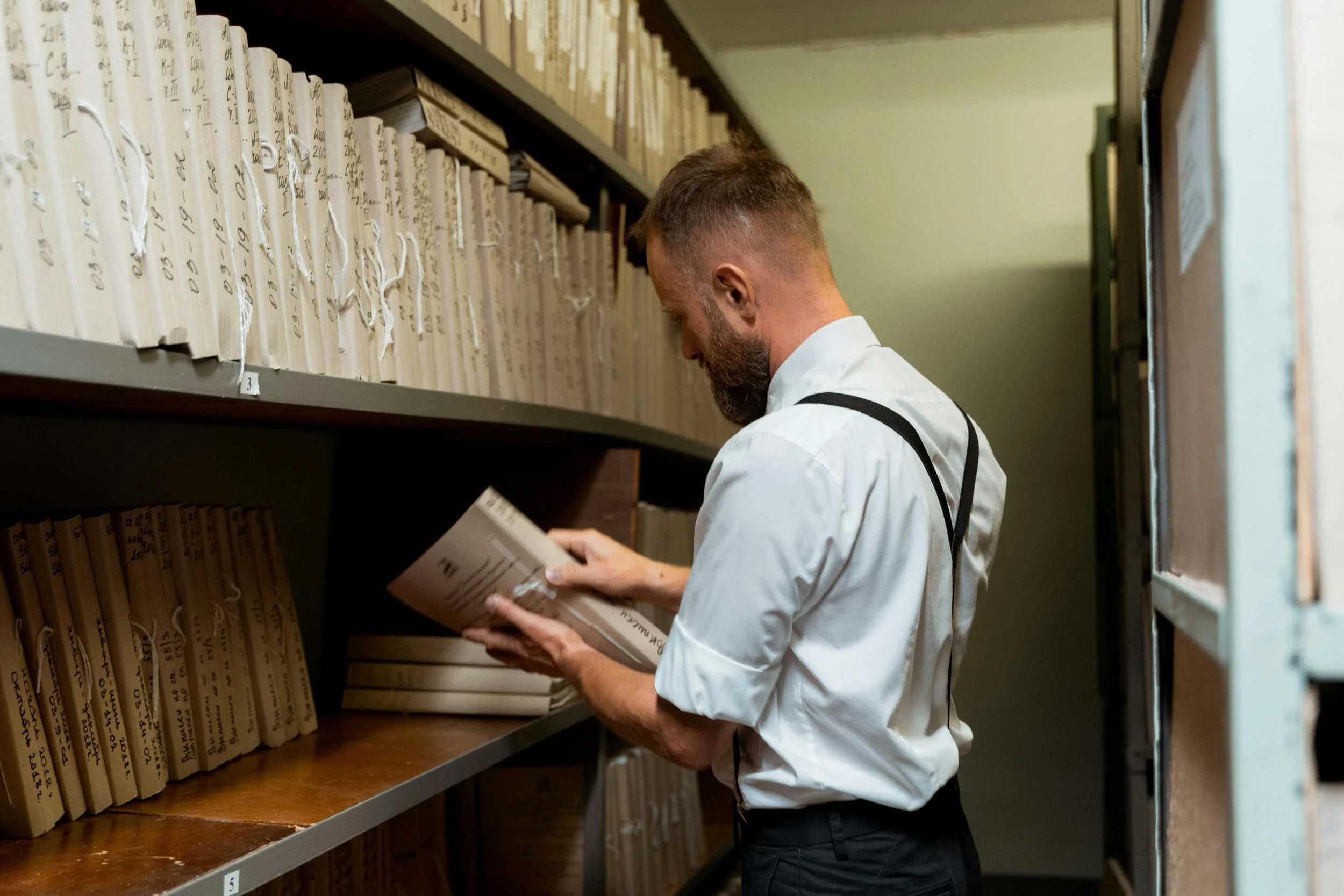

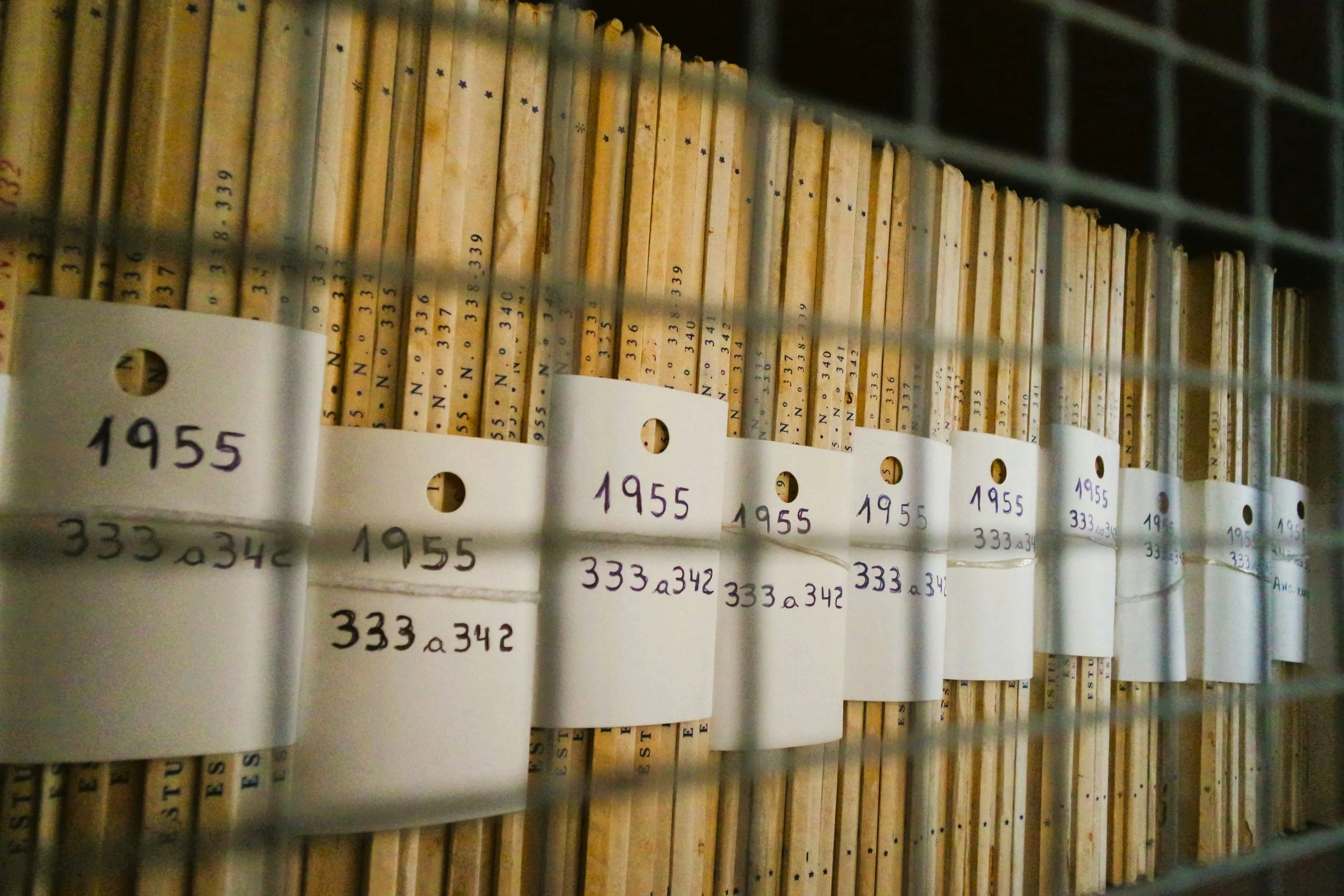


Preservation and conservation are critical components of archival management.
These practices ensure the long-term survival and accessibility of archival materials, preserving their rich legacy.
Archivists build archives to endure. Unlike many other institutional functions, their mission spans generations.
Society is increasingly treating cultural heritage as a commodity. Archives face broader economic forces that reduce cultural materials to objects for consumption and exploitation. This commodification risks reframing archives as curiosities with market value rather than repositories of cultural heritage that serve the public good. Institutions once preserved records to document the past, but market forces might now recast them as investments.
Archives often find themselves competing for limited resources within larger institutions. Universities prioritize teaching and research, nonprofits focus on programs and services, and corporations channel funds toward revenue-generating initiatives.
With shrinking resources and increasing demands, archivists cannot afford to view budgeting as an afterthought. A carefully developed budget is a strategic tool that connects an archives’ mission to its daily operations. It demonstrates accountability, supports advocacy efforts, and provides a framework for decision-making.
Archives often operate in environments defined by scarcity of space, staff, time, and funding. In these conditions, every decision carries weight. Without a plan, archives risk spreading their resources too thin, responding only to immediate crises, and missing opportunities for growth and impact. Strategic planning serves as a lifeline, providing archivists with a structured approach to prioritize, allocate resources, and communicate the value of their work to stakeholders.