
I've written a lot about family archives over the years, but sometimes my readers miss a post or are new to my community. I've listed my posts related to how anyone can learn methods to save their personal and family history.
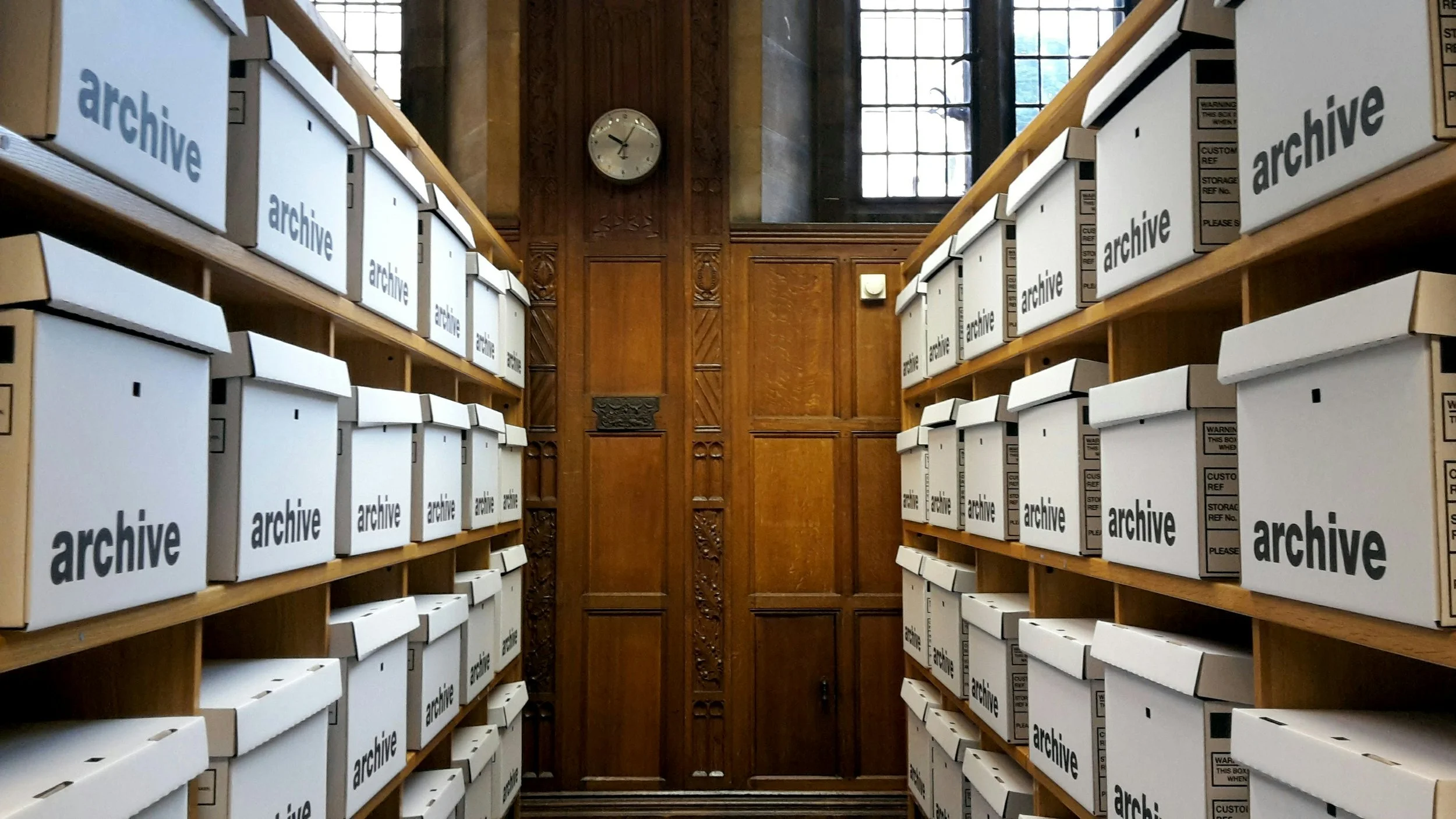
Archivists build archives to endure. Unlike many other institutional functions, their mission spans generations.
Society is increasingly treating cultural heritage as a commodity. Archives face broader economic forces that reduce cultural materials to objects for consumption and exploitation. This commodification risks reframing archives as curiosities with market value rather than repositories of cultural heritage that serve the public good. Institutions once preserved records to document the past, but market forces might now recast them as investments.
Archives often find themselves competing for limited resources within larger institutions. Universities prioritize teaching and research, nonprofits focus on programs and services, and corporations channel funds toward revenue-generating initiatives.
With shrinking resources and increasing demands, archivists cannot afford to view budgeting as an afterthought. A carefully developed budget is a strategic tool that connects an archives’ mission to its daily operations. It demonstrates accountability, supports advocacy efforts, and provides a framework for decision-making.
Archives often operate in environments defined by scarcity of space, staff, time, and funding. In these conditions, every decision carries weight. Without a plan, archives risk spreading their resources too thin, responding only to immediate crises, and missing opportunities for growth and impact. Strategic planning serves as a lifeline, providing archivists with a structured approach to prioritize, allocate resources, and communicate the value of their work to stakeholders.
The inherent fragility of archival materials makes them especially vulnerable to damage during disasters. To ensure the safety and preservation of these collections, archives must develop a comprehensive disaster response and recovery plan tailored to their unique needs. A well-crafted plan mitigates risks, safeguards materials, and guides staff in responding to emergencies.
The digital revolution has transformed nearly every aspect of modern life, including how we communicate, work, create, and remember. For scholars in the humanities, this shift presents both challenges and opportunities. How do we preserve cultural heritage in an age of rapid technological change? How do we interpret an overwhelming abundance of digital records? How can new tools help us ask fresh questions of old sources?
When we think of history, we often imagine official records, government documents, or published books. However, much of the human experience never makes it into formal archives. Memories, personal stories, and lived experiences are essential parts of history, but they often remain undocumented unless someone takes the time to record them. That is the role of oral history.
When we think of history, we often imagine books, letters, and official records. However, much of the past is captured not in words but in images. Photographs, paintings, drawings, films, and even today’s social media posts all serve as windows into moments that written records cannot fully convey. For researchers, these visual resources are both powerful and problematic; they reveal details that are otherwise invisible, but they also require careful interpretation.