


Research Methods Roundup

Research Methods Roundup

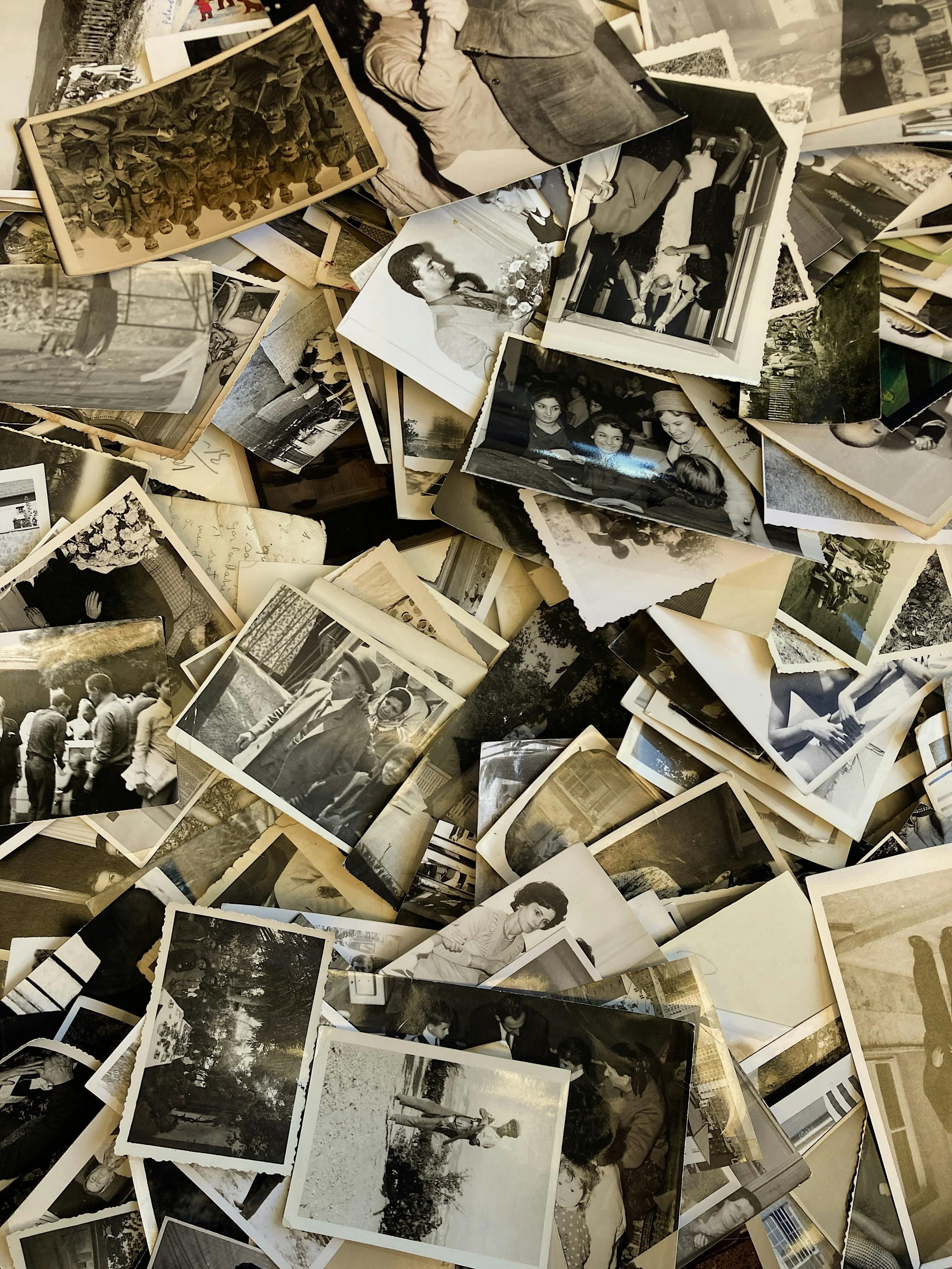
This roundup explores research methods for working effectively with primary sources, with particular attention to materials held in archives. Drawing on archival practice, the posts examine how researchers locate, interpret, and contextualize unpublished records, photographs, audiovisual materials, and born-digital sources. Topics include understanding archival description and finding aids, tracing provenance and original order, navigating gaps and silences in the record, and integrating archival evidence responsibly into scholarly and creative work. Together, the posts aim to demystify archival research while equipping researchers with practical strategies for working critically and ethically with primary sources.

Archival Disaster Response and Recovery Plans

Archival Disaster Response and Recovery Plans

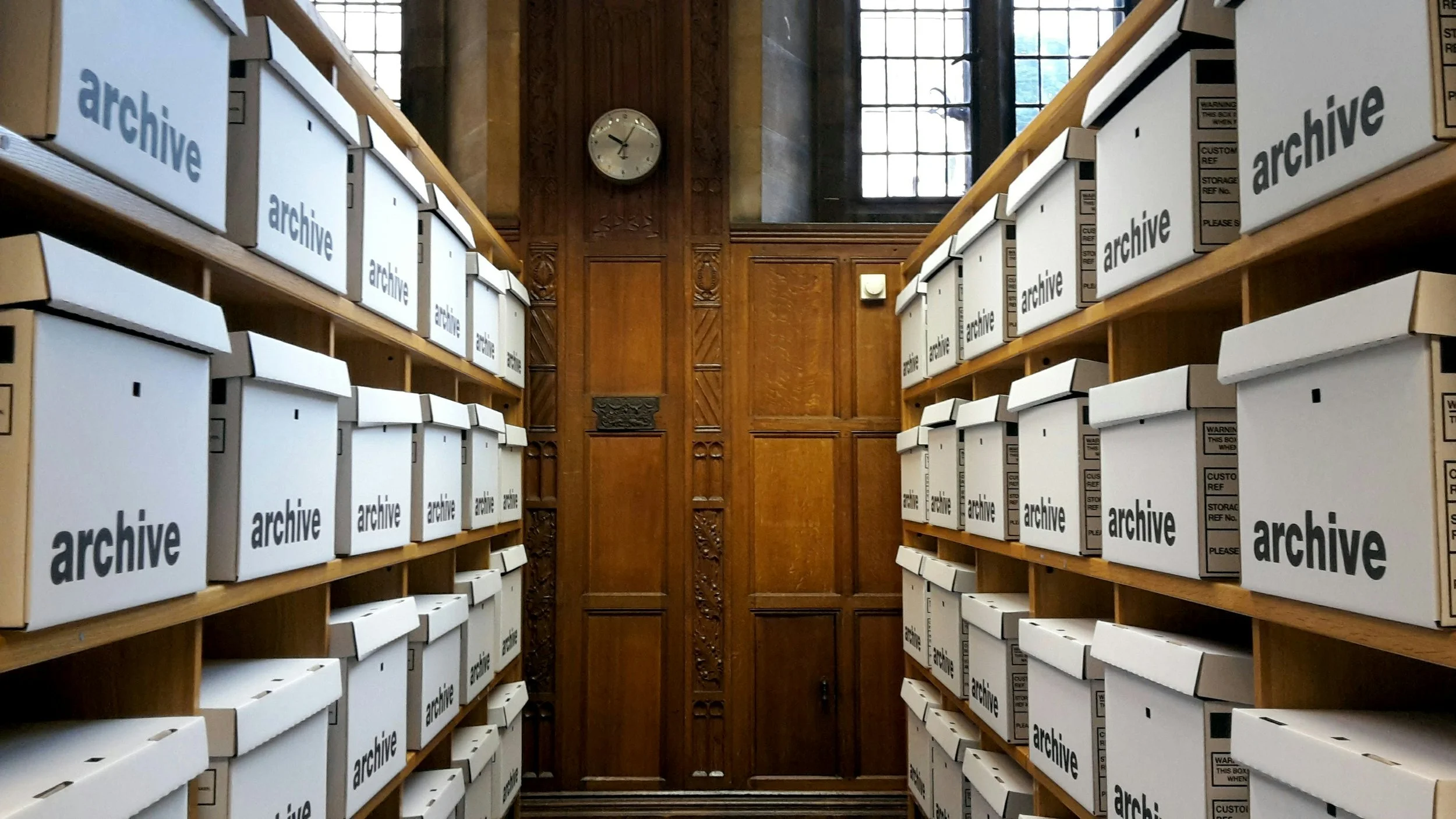
The inherent fragility of archival materials makes them especially vulnerable to damage during disasters. To ensure the safety and preservation of these collections, archives must develop a comprehensive disaster response and recovery plan tailored to their unique needs. A well-crafted plan mitigates risks, safeguards materials, and guides staff in responding to emergencies. 

Leveraging Digital Humanities for Research

Leveraging Digital Humanities for Research

The digital revolution has transformed nearly every aspect of modern life, including how we communicate, work, create, and remember. For scholars in the humanities, this shift presents both challenges and opportunities. How do we preserve cultural heritage in an age of rapid technological change? How do we interpret an overwhelming abundance of digital records? How can new tools help us ask fresh questions of old sources?

Unlocking Oral History Sources for Research

Unlocking Oral History Sources for Research

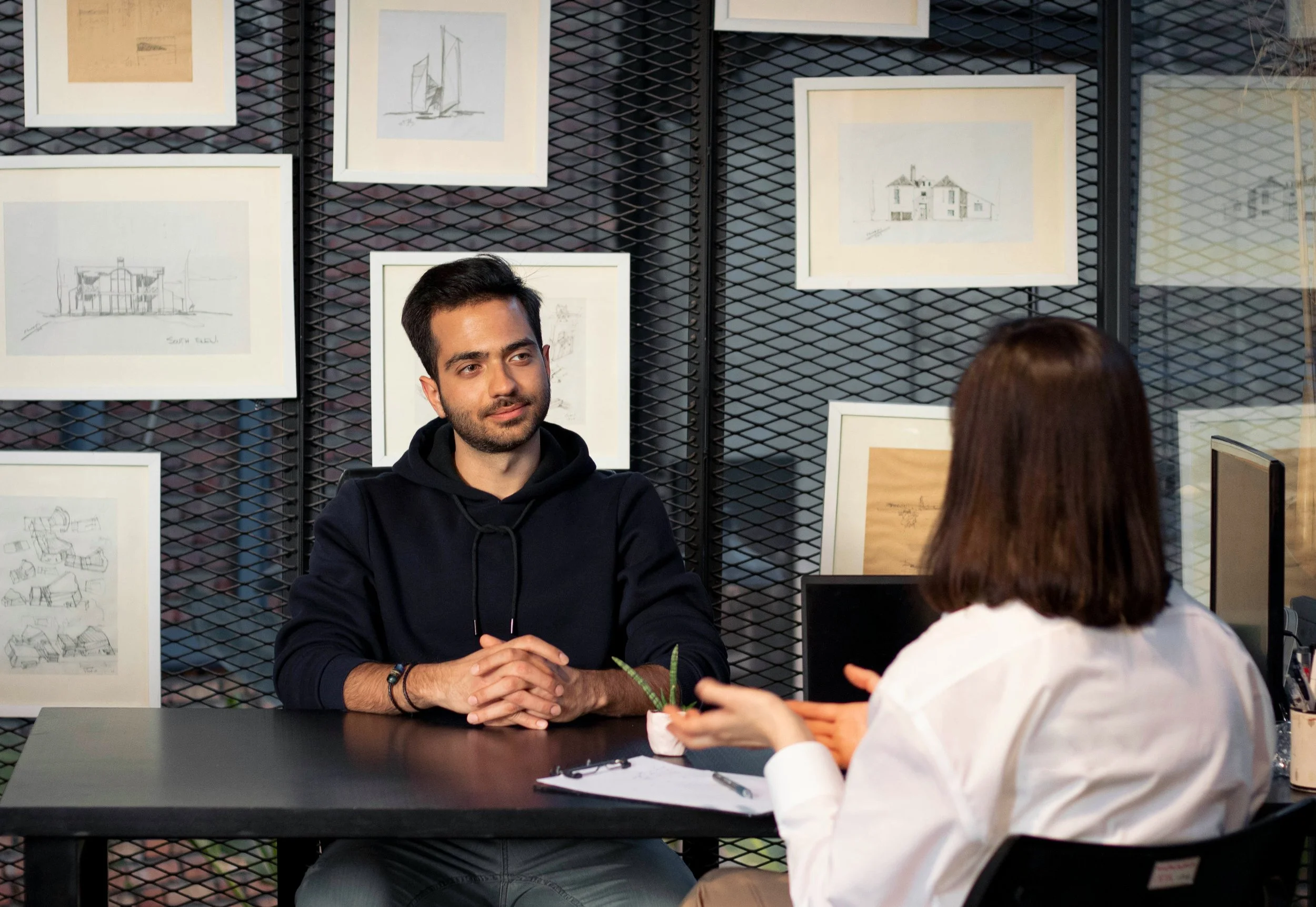
When we think of history, we often imagine official records, government documents, or published books. However, much of the human experience never makes it into formal archives. Memories, personal stories, and lived experiences are essential parts of history, but they often remain undocumented unless someone takes the time to record them. That is the role of oral history.