Primary sources are the materials that historians use and archivists preserve. Primary sources serve as evidence for the interpretation of past events. Analyzing primary sources will help you to understand how an argument has been constructed and to adopt a more critical stance towards the books and articles that you encounter.
Reading an original document or describing an image is daunting, especially when it is historical and originates from a period when attitudes, values, and modes of expression were different from our own.
The most important principle to remember when using primary sources is that they cannot be taken at face value. They have to be interrogated. A series of questions have to be asked of any primary source before we can begin to decide what it can tell us about the historical subject we are addressing. These five questions are:
What is it?
First, consider what kind of primary source document you have. Is it a letter, a newspaper clipping, or a report? Is it a photograph? What technology was used to create it? No matter what kind of document you are dealing with, be as specific as possible about what it is. You must understand the type of historical record it is to proceed to the next set of questions.
Who made it?
Consider its authorship. Who wrote, published, photographed, recorded, or otherwise made the document? Sometimes this is straightforward, such as with a letter. The creator is the person who signed it.
It can be more complicated than this. Who was the person who wrote the letter? What do you know about their position in regards to the events you are researching? If it is a famous person, answering this secondary question may be easy. But if the person was not well-known, you may have to get clues by doing further research.
When and where was it created?
Figure out when a document was created. It is important to be able to place the creation of the document on a timeline in relation to the events you are researching.
Knowing the place a document was created is another aspect of understanding its context. Try to figure out, with as much specifically as possible, where it was created.
What does it tell you? What does it not tell you?
Once you have tried to determine what the document is, who its creator was, and the time and place of its creation, examine what the document might tell you about the topic you are researching.
If it is a written or audio document:
Read through or listen to the document. What does it say? What information does it provide that you did not know before? Pay attention to what you do not understand or recognize, such as the terms, people, places, and events that are mentioned.
If it is a picture or moving image:
Examine it. What is represented? If there are people in the picture, what are they doing? Are they posing for the picture? What is the relationship between the artist or photographer and the subject? What places, buildings, natural surroundings, signs, or other objects are in the picture? What was going on when the picture was created? Note what you do not recognize such as buildings, objects, or people.
The questions raised during this process will guide the background research needed to understand the document better.
Why was it created?
Try to determine the message the document was conveying in its particular time and context. What audience was the creator trying to reach? For what purpose?
What do you know about this audience or reader, and how may they have understood the document? Consider the point of view of the creators. What was their stake in making the document?
No research project relies on a single source. You will need to examine related documents in the same record series to get more information that will help to put your document in context. If you are doing your research right, these five initial questions will lead to many more queries.
Developing analytical skills through primary source interrogation will enable you to appreciate the complexity of historical knowledge, the fragmentary character of the sources from which it is derived, and the provisional and uncertain character of historical explanation.
Looking for archival advising, records management, and historical research services? Click below to speak with an expert consultant.
Here’s a collection of my favorite primary source books:

When we think of history, we often imagine official records, government documents, or published books. However, much of the human experience never makes it into formal archives. Memories, personal stories, and lived experiences are essential parts of history, but they often remain undocumented unless someone takes the time to record them. That is the role of oral history.

When we think of history, we often imagine books, letters, and official records. However, much of the past is captured not in words but in images. Photographs, paintings, drawings, films, and even today’s social media posts all serve as windows into moments that written records cannot fully convey. For researchers, these visual resources are both powerful and problematic; they reveal details that are otherwise invisible, but they also require careful interpretation.

Primary sources are the lifeblood of historical research. Letters, diaries, photographs, government records, organizational files, and countless other documents provide firsthand evidence of the past. However, anyone who has walked into an archives knows that primary sources are not arranged like books on a library shelf. Instead, they are preserved in their original context, often in boxes and folders, accompanied by tools that help researchers navigate them.

Archives are living repositories of memory, culture, and evidence, carefully preserved so that individuals and communities can understand the past and make sense of the present. For historians, genealogists, students, and the curious public alike, archives provide the raw research material. To use them effectively, it is helpful to understand what archives are, how they function, and why their principles are important.

For historians, research is a way of engaging with the past: asking meaningful questions, developing strategies to answer them, and constructing narratives that help us understand where we have come from and where we are going. Thoughtful research strategies transform scattered data into insight, equipping us to navigate an overwhelming world of information with rigor and care.

Citations are the scaffolding of scholarship. They connect one piece of research to another, forming a chain of evidence that allows others to verify, question, or expand upon what has been written. For historians in particular, citations are more than technical formalities; they are acts of intellectual honesty, signposts for future researchers, and opportunities to amplify voices that might otherwise remain unheard.

Research is at the core of historical inquiry and scholarship. It is the process that transforms curiosity into knowledge, fragments into narratives, and silence into stories. However, research is more than the simple accumulation of facts. It is a craft that requires asking thoughtful questions, identifying gaps in understanding, and engaging critically with sources.

In pursuing historical understanding, primary sources serve as invaluable windows into the past, offering direct glimpses of the thoughts, actions, and experiences of individuals who lived in a different time.

Critical thinking is essential for success in academic endeavors, professional life, and personal growth.

Plagiarism is the practice of falsely representing as one’s own any language, thoughts, ideas, designs, or expression in a paper, exam, or other work. In short, it means taking someone’s else’s words, ideas, or work and passing them off as yours. There are severe consequences for plagiarism in your academic, work, and personal lives.

When you're conducting research online, it may be difficult to determine if a website contains credible information. Almost anyone can publish anything online, which provides a wealth of information for scholars and students. However, the ease of publication may promote information which is false, faulty, or misleading.

An abstract is a summary of the work reported in a paper. It allows readers to quickly identify articles of interest to them, without having to read the whole document. Together with the title, the abstract is also used by databases to allow articles to be searched easily.

When you are researching for a paper, you should take notes, not only to retain the information you are seeking but also to guide the next steps in your research strategy. I advise my students to take notes, either by putting pen to paper or by using programs like Mendeley which allow you to mark and save articles. Reading for research is never passive; it should be an active exchange in which you respond to and interrogate the text.

Scholarly publishing relies heavily on reviewers. In addition to validating academic work, peer review improves the quality of published research and facilitates networking among researchers.
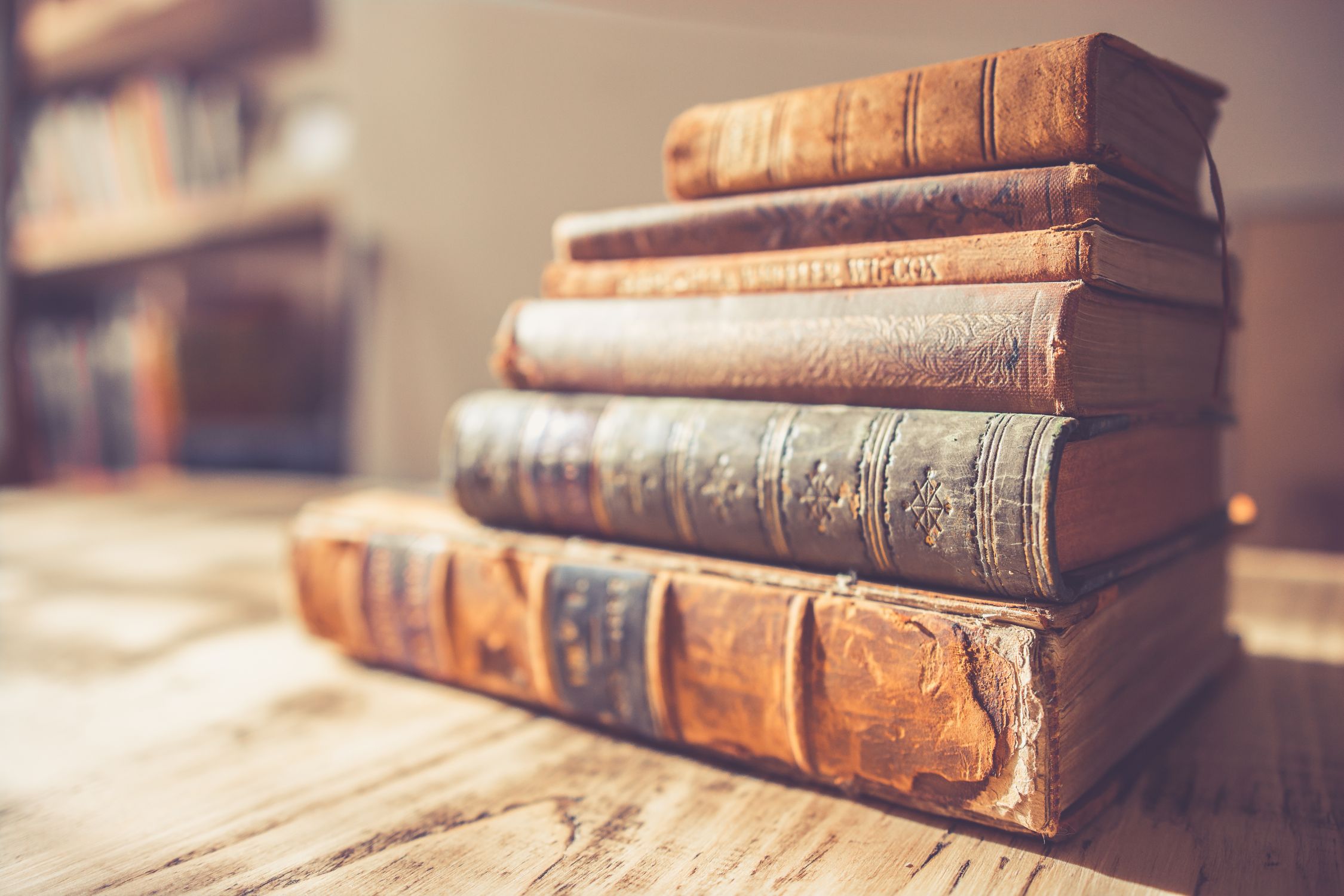
To produce sound historical research, we need reliable primary sources. Records created at the same time as an event, or as close as possible to it, usually have a greater chance of being accurate than records created years later, especially by someone without firsthand knowledge of the event. When you are conducting research, you want to corroborate the contents of the document you are working with with information from other sources that have been proven to be legitimate

Primary sources serve as evidence for the interpretation of past events. Analyzing primary sources will help you to understand how an argument has been constructed and to adopt a more critical stance towards the books and articles that you encounter.

Primary sources are the raw materials of history. They are documents and objects that were created during the event being studied or created later by the participant of an event, reflecting their viewpoint.

There are a variety of reading methods that can help you take in more information, make your efforts more efficient, and save time. A professor in graduate school once told me that students are never expected to complete all the readings; instead, they learn how to prioritize their reading so that they can get the essence of the texts.

Note-taking for classes, meetings, studying, or research is a skill you develop over time. Use any note-taking style that works best for you. Experience with different formats, combine them, or improvise to create your style.

I am by no means brilliant. But I am smart enough, work hard, and have developed habits that achieve the best results for me. I want to share some tips to help you get better grades in less time and with less stress and effort.

Students often focus on revising the details of their papers, when revising the organization of their papers should be the priority. Once the substance of your paper’s argument has been developed, make sure that readers will find the paper coherent.

When researching, it’s easy to get caught up in the process of research, tracking down as much information that you can find. Scholars, though, don’t document information for its own sake, but to support their research question. By asking the right questions, you can be directed to the information you need to answer them.

When writing a paper, your first task is to find a research question that will lead to a research problem worth solving. First, find a topic specific enough to research it in the time that you have allotted to complete the project. You are looking for a right-sized question worth investigating. A thesis question, for example, should be bigger and more complex than a short undergraduate paper.

No matter what your stage in life, critical thinking skills allow you to think more deeply. When conducting research and writing for an academic audience, critical reasoning is required to interpret your findings.
Critical-thinking skills connect and organize ideas. Three types distinguish them: analysis, inference, and evaluation.

Active learning means understanding the subject matter your studying through different activities. The efforts allow you to evaluate the content rather than just memorizing the theory.

When you’ve identified a source that’s of interest and relevance to your research, you should subject it to critical evaluation. As you review it, ask yourself why the work was needed, what its analysis was, and how the author interpreted the results. Most importantly, what’s your interpretation of the results?

The underlying quality of thought and the argument you put forward in an essay matters. By the time you near completion of a paper or thesis, you should put aside some time to review a number of elements in your writing. As you perform your final revision, ask yourself the following questions:

A thesis statement is a sentence declaring what your essay is going to contain. It proposes the position you are going to argue for in your paper. It presents the topic of your writing and also comments on your position on the issue. Your thesis statement provides a roadmap for you as you write your paper, and it also helps your reader follow your argument as it develops. It lets your reader have an easier time understanding your argument.

One of the best ways to improve your research methods or academic performance is to discover your learning styles. Some people favor a particular way of learning, while others find that a blend of techniques work best for them. I've also found that learning styles can change over time; what may have worked with you while you were in school, for example, may shift when you are learning in a professional environment.

The digital revolution has transformed nearly every aspect of modern life, including how we communicate, work, create, and remember. For scholars in the humanities, this shift presents both challenges and opportunities. How do we preserve cultural heritage in an age of rapid technological change? How do we interpret an overwhelming abundance of digital records? How can new tools help us ask fresh questions of old sources?