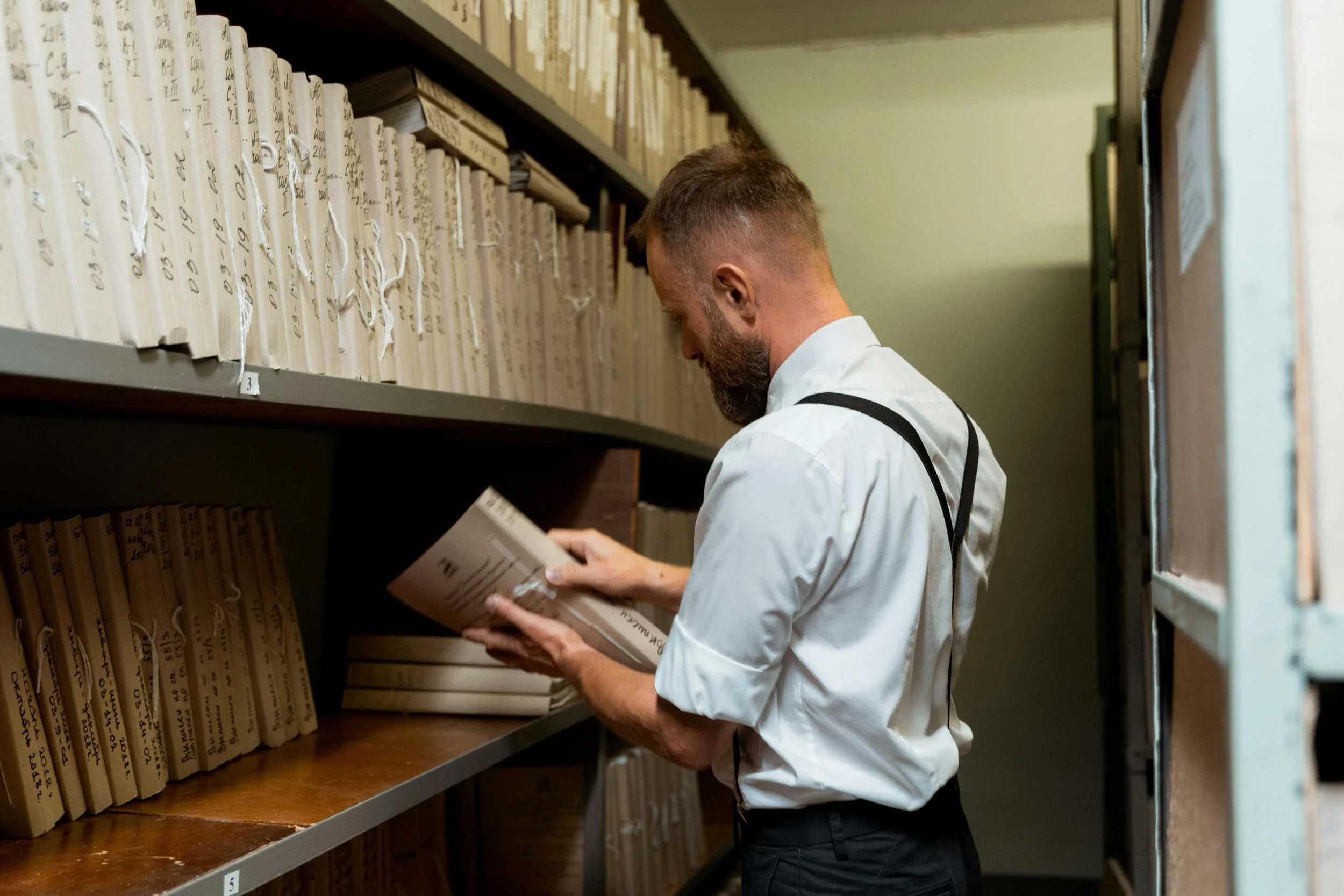

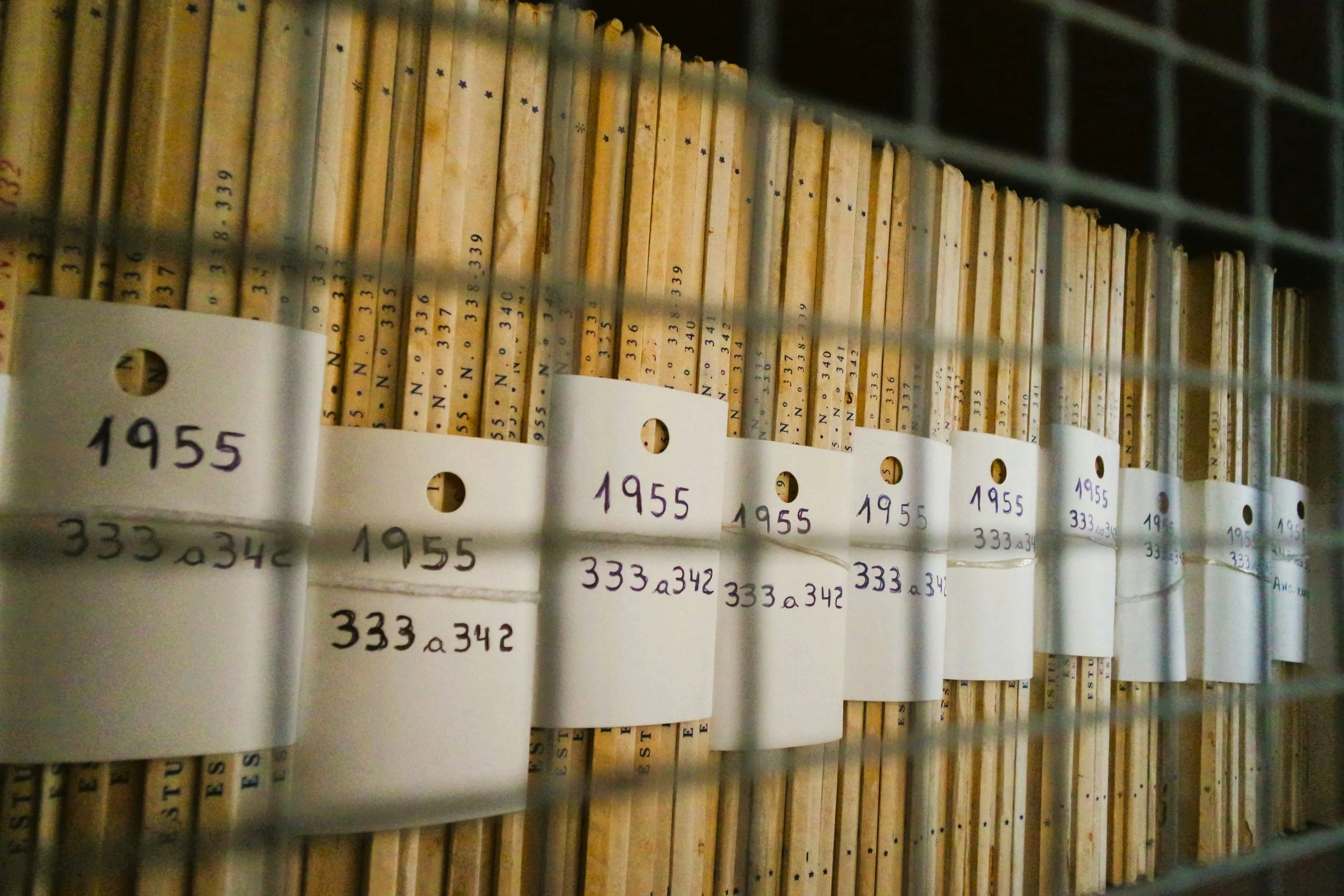


As archivists, we take our responsibilities seriously as stewards of the collections entrusted to our care, ensuring that our assets remain safe and accessible to users. The demand for increased online access to collections, coupled with limited fiscal and staff resources, makes balancing the two a challenge.
Crass Career Advice
The best career guidance I’ve encountered derives from an unlikely source, a record I purchased at Extreme Noise in Minneapolis when I was 16:
You must learn to live with your own conscience, your own morality, your own decision, your own self. You alone can do it. There is no authority but yourself.
The conclusion to the fifth studio album by seminal British anarchist punk band Crass urges listeners to take up the challenge of personal responsibility. The exhaustion of vocalist Eve Libertine’s delivery emphasizes the message’s sincerity. I’ve often thought about this mantra as it pertains to the LIS field.
Staffing and Collaboration for Digital Archival Projects
Staffing needs for digital projects depend on the project’s size and complexity. Training existing staff members to work on digitization projects is a critical component of change management within the institution because digital projects require new skills. The digital age is moving memory institutions into new paradigms of delivering both services and content, and this alteration brings with it a need for training in managing information in a hybrid environment.
Why Digital Archives Expand Access and Awareness
I was once the director of an archival collection related to historical buildings around the world. From Babylon to Bauhaus, the collection held just about every amazing world monument you could think of and documented state-of-the-art historic preservation techniques. Here was my challenge: the archives was institutional with no public access, and I was a “lone arranger” in charge of all aspects of archival management at the organization. How could I share these treasures?
Three Fundamental Digital Preservation Strategies
The Panoramic Vision of Barthes and Burgin
In this essay, I provide a new critical consideration of the works of the semiologist Roland Barthes and the artist Victor Burgin. The influence of Barthes on Burgin’s work is well documented. Equally, Burgin’s prominence as a theorist concerned with text and image offers a productive dialogue with Barthes’ work. The interaction between the two is most apparent in my mind when they discuss the limitless possibilities of the panorama and panoramic vision.
The Audacity of Nope (Or How I Leaned In and All I Got Was Exhausted)
Everybody Takes a Beating
How to Write a Thesis Statement
A thesis statement is a sentence declaring what your essay is going to contain. It proposes the position you are going to argue for in your paper. It presents the topic of your writing and also comments on your position on the issue. Your thesis statement provides a roadmap for you as you write your paper, and it also helps your reader follow your argument as it develops. It lets your reader have an easier time understanding your argument.


